First edition · Atlas
Chronotech
An illustrated encyclopedia of outstanding technologies — from stone flakes to silicon — written for students from thirteen to twenty-two. Scan the timeline. Open a volume. Read the lead; open “How it works” if you need the mechanism.
Plates of the first edition
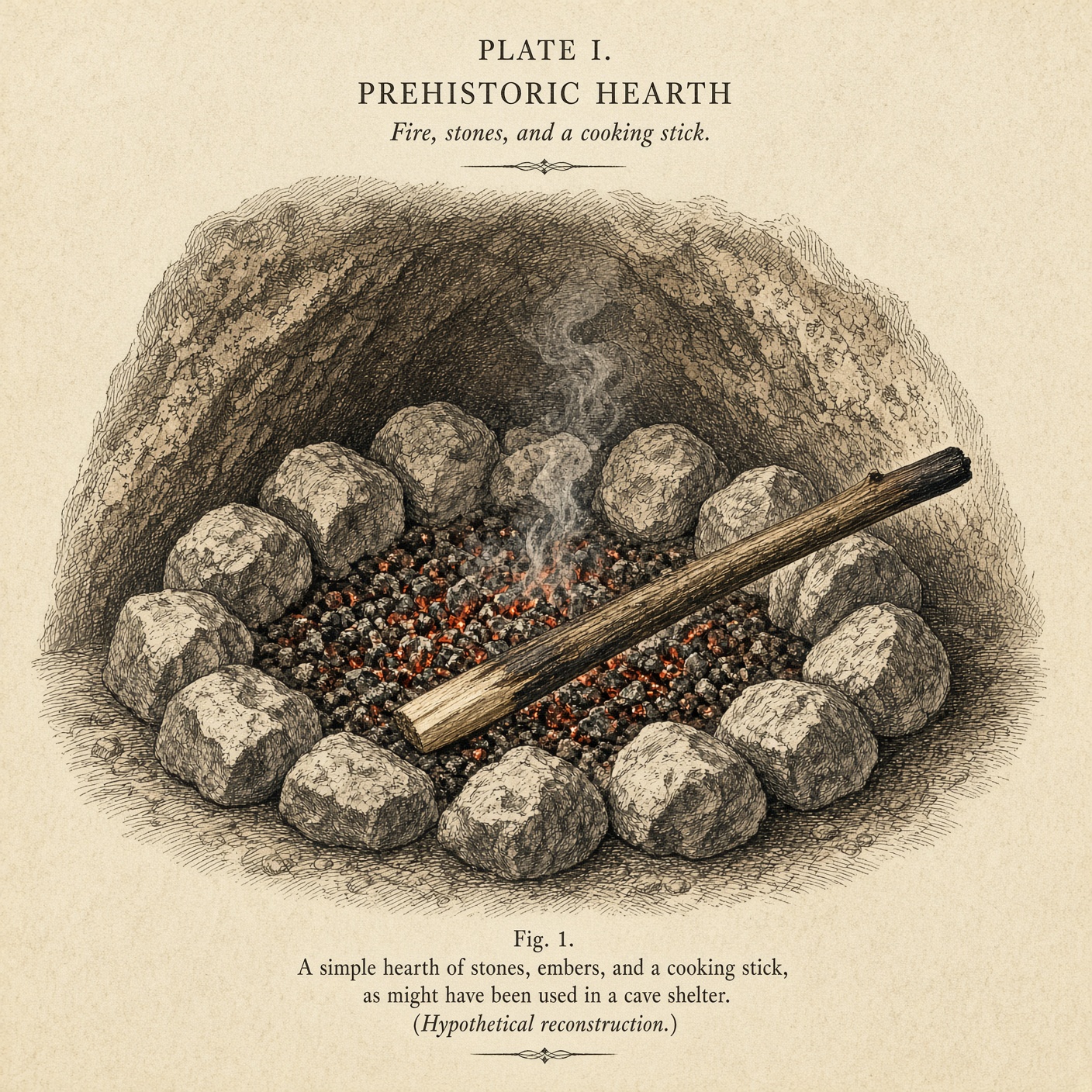
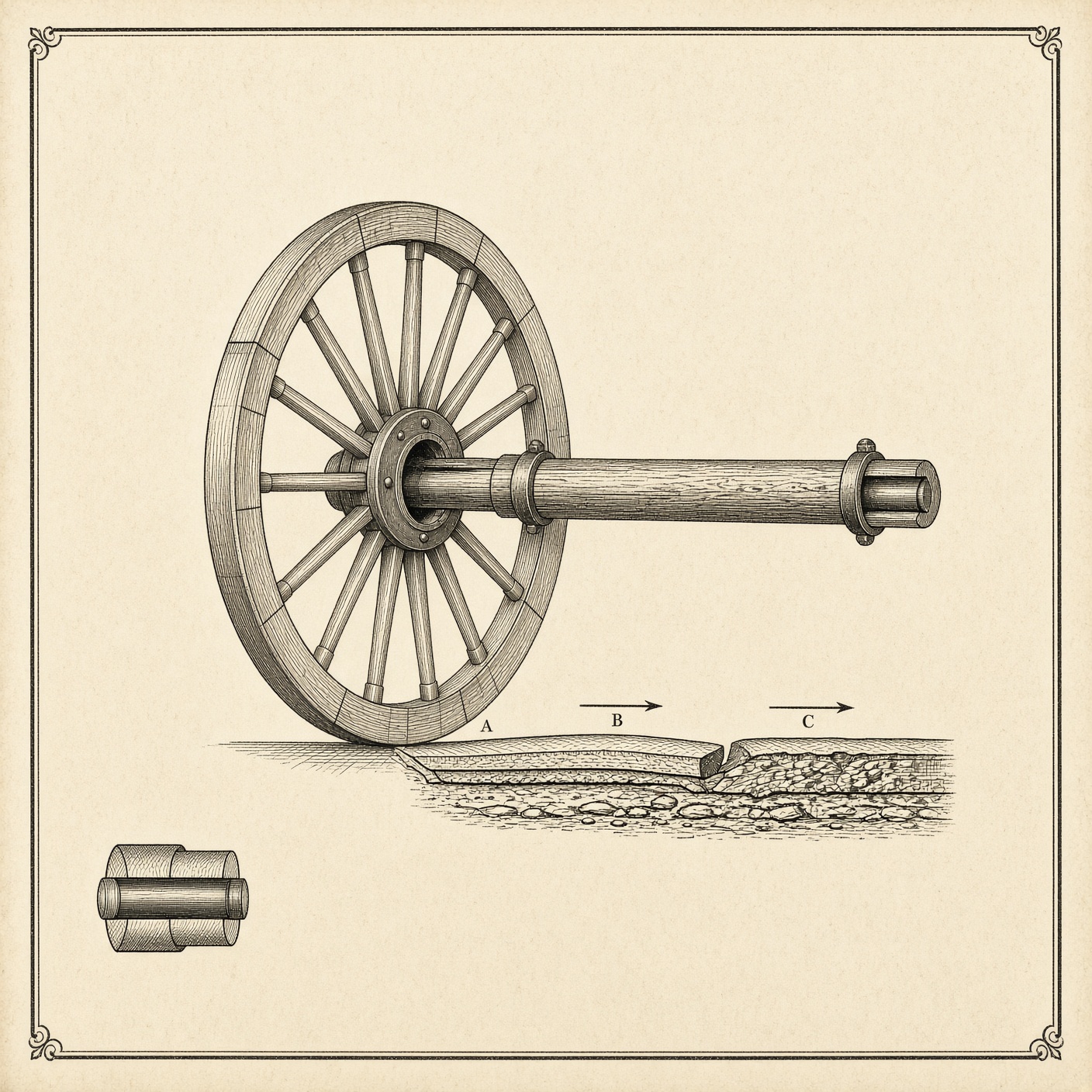
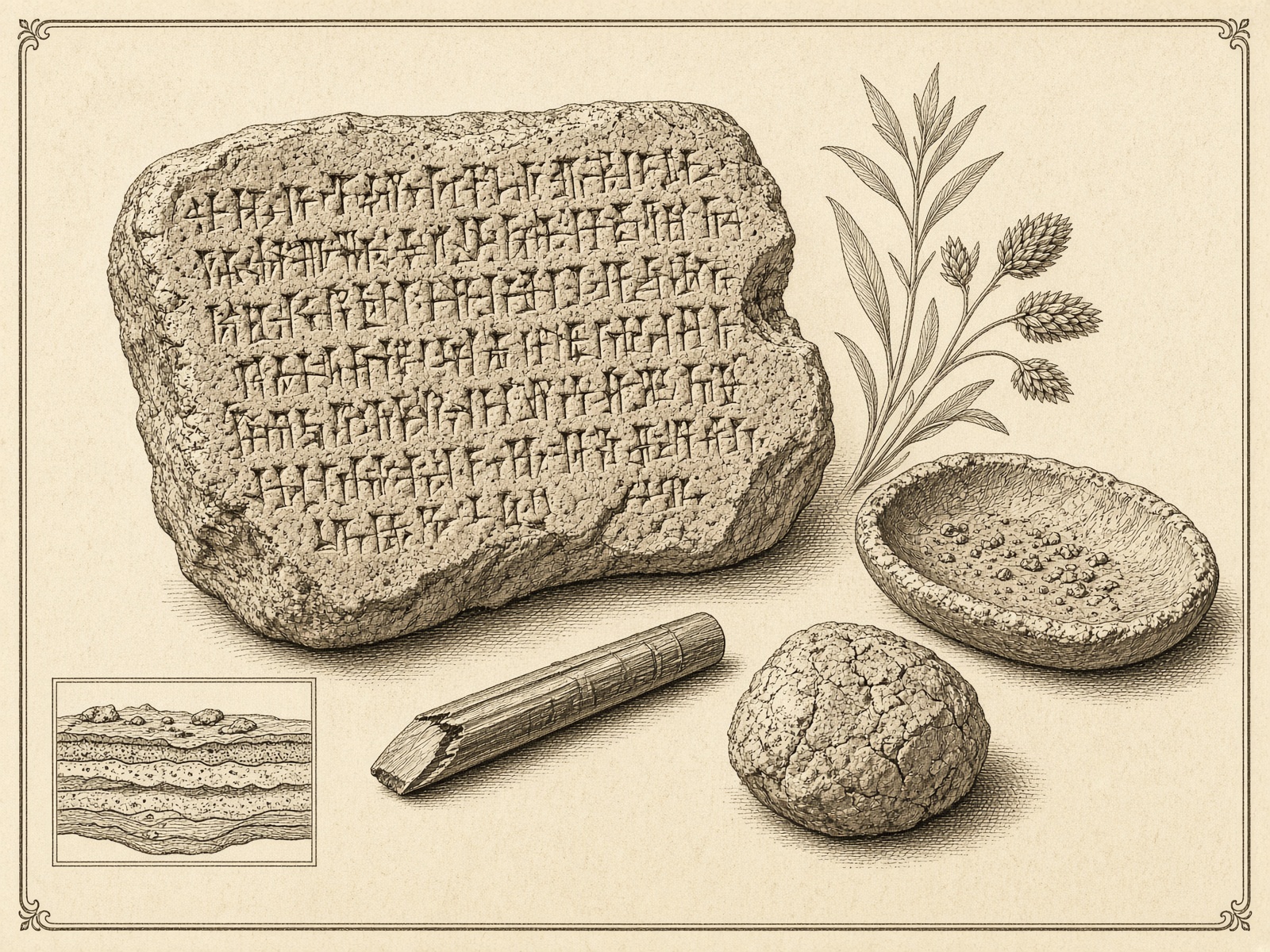
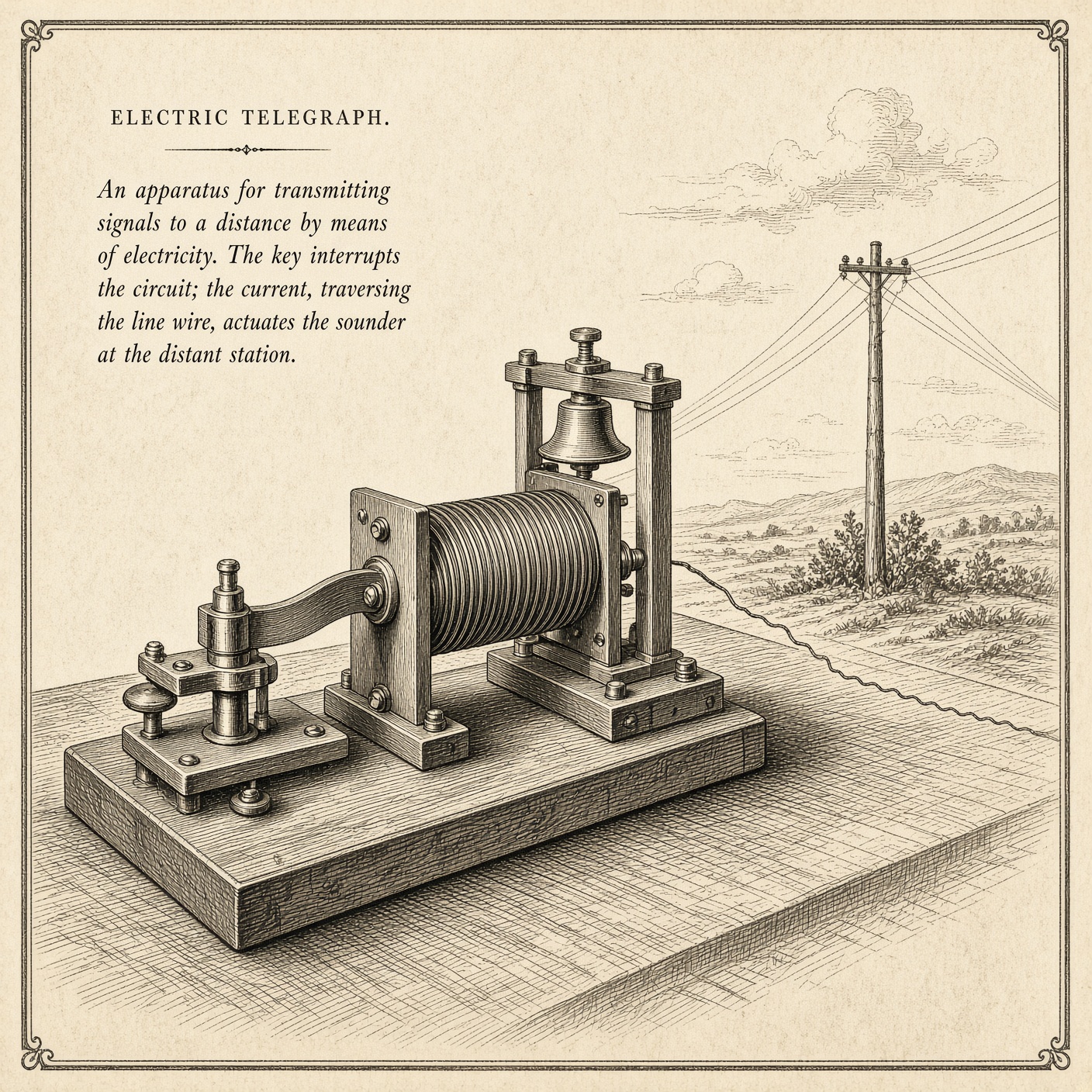
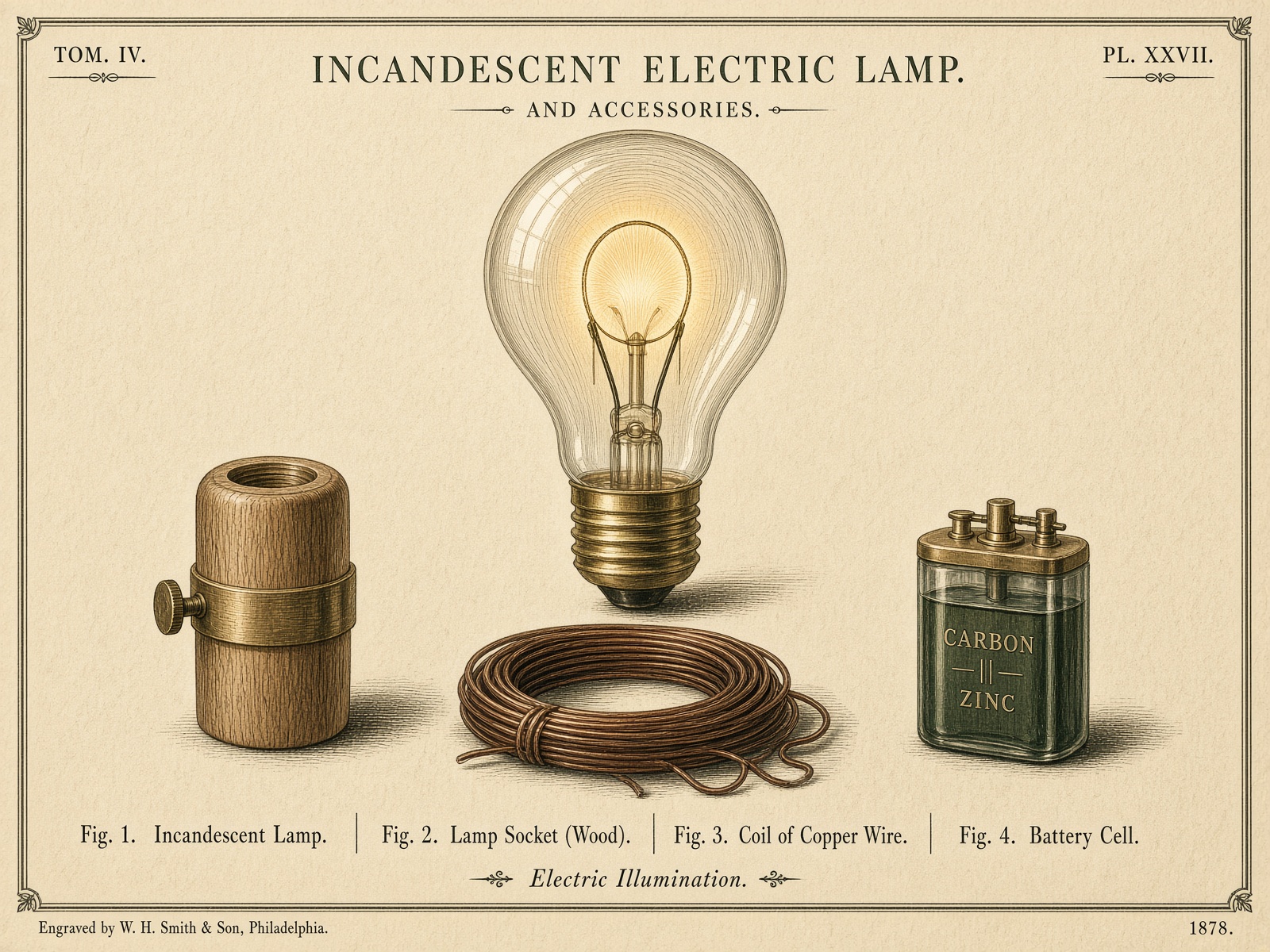
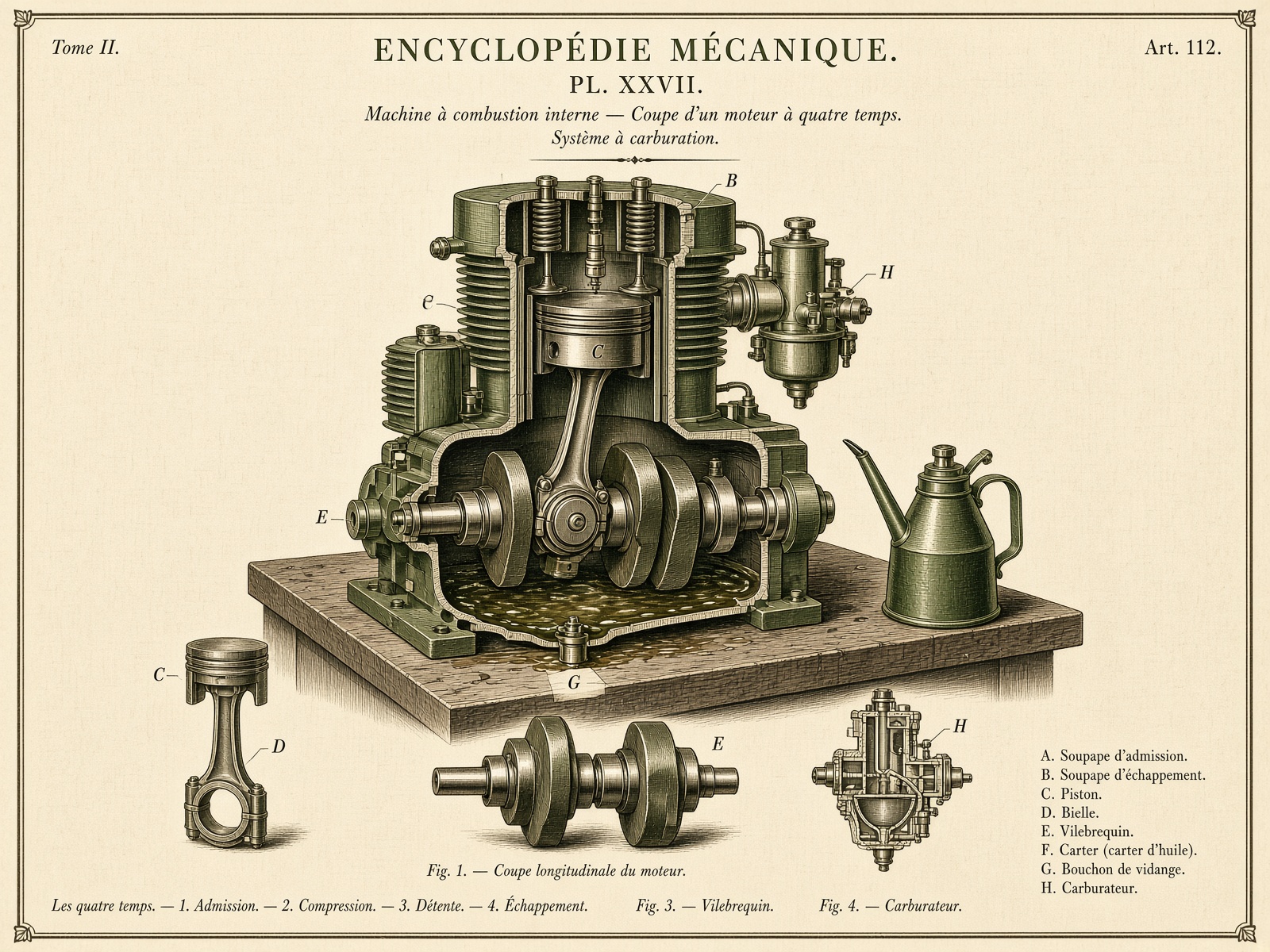
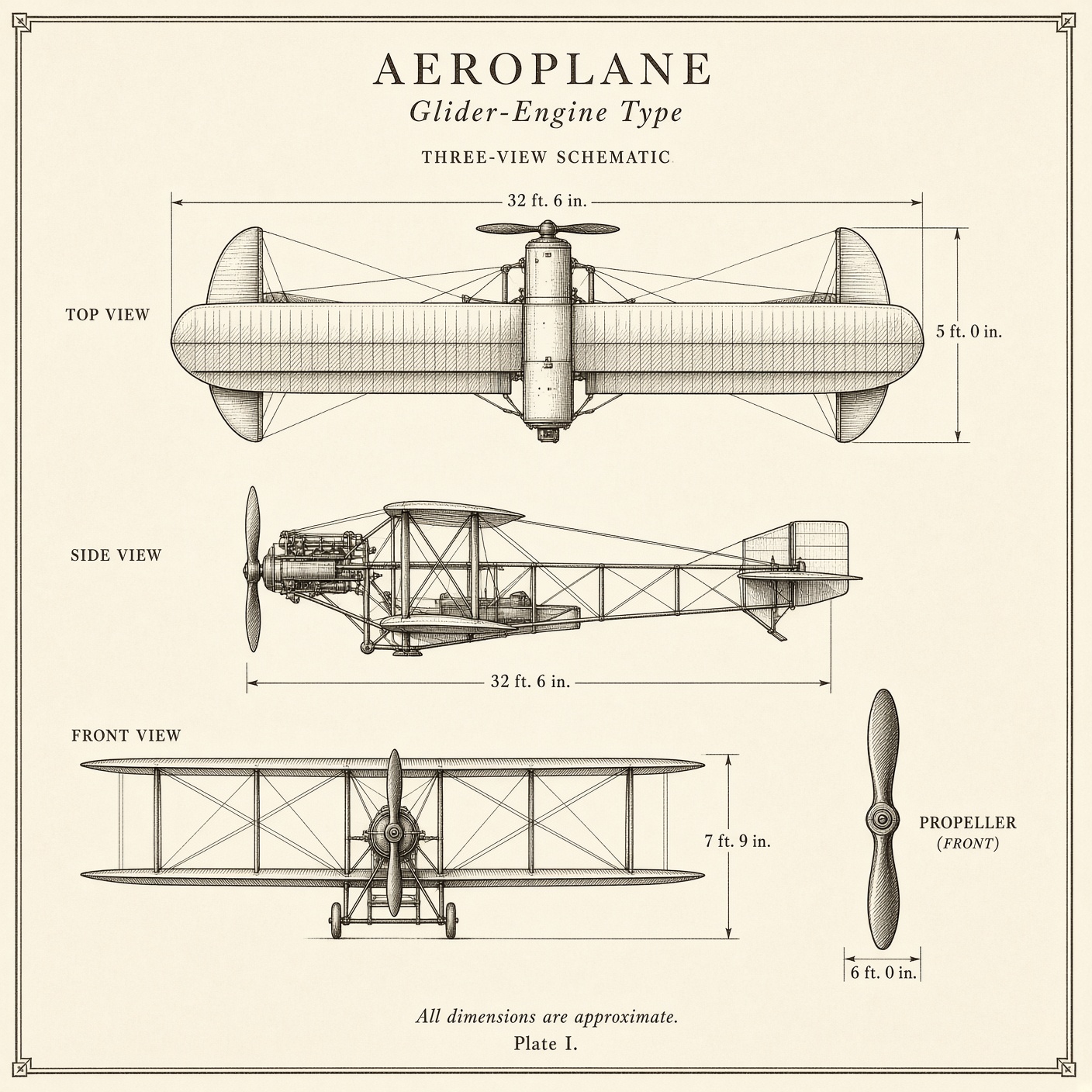
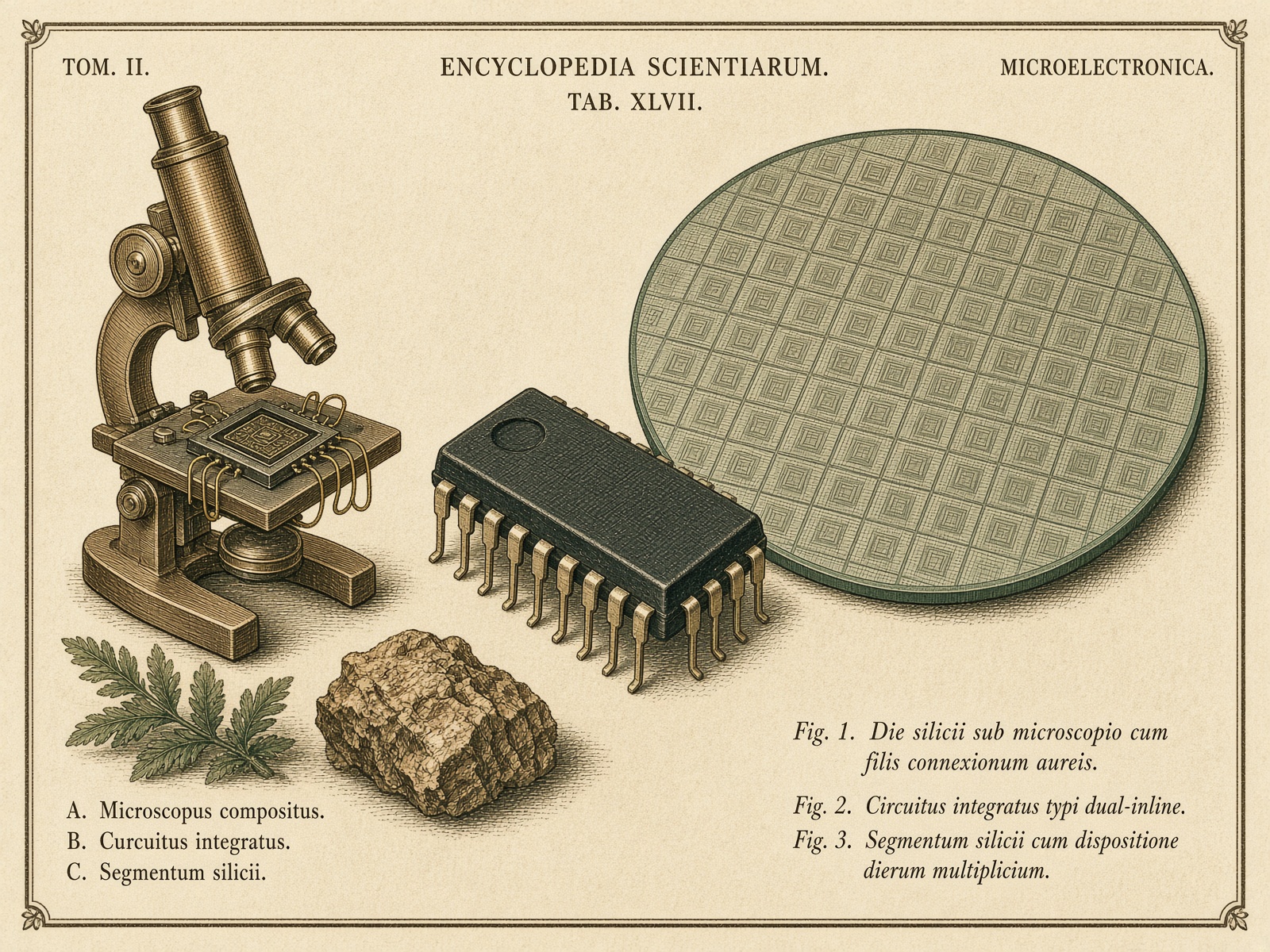
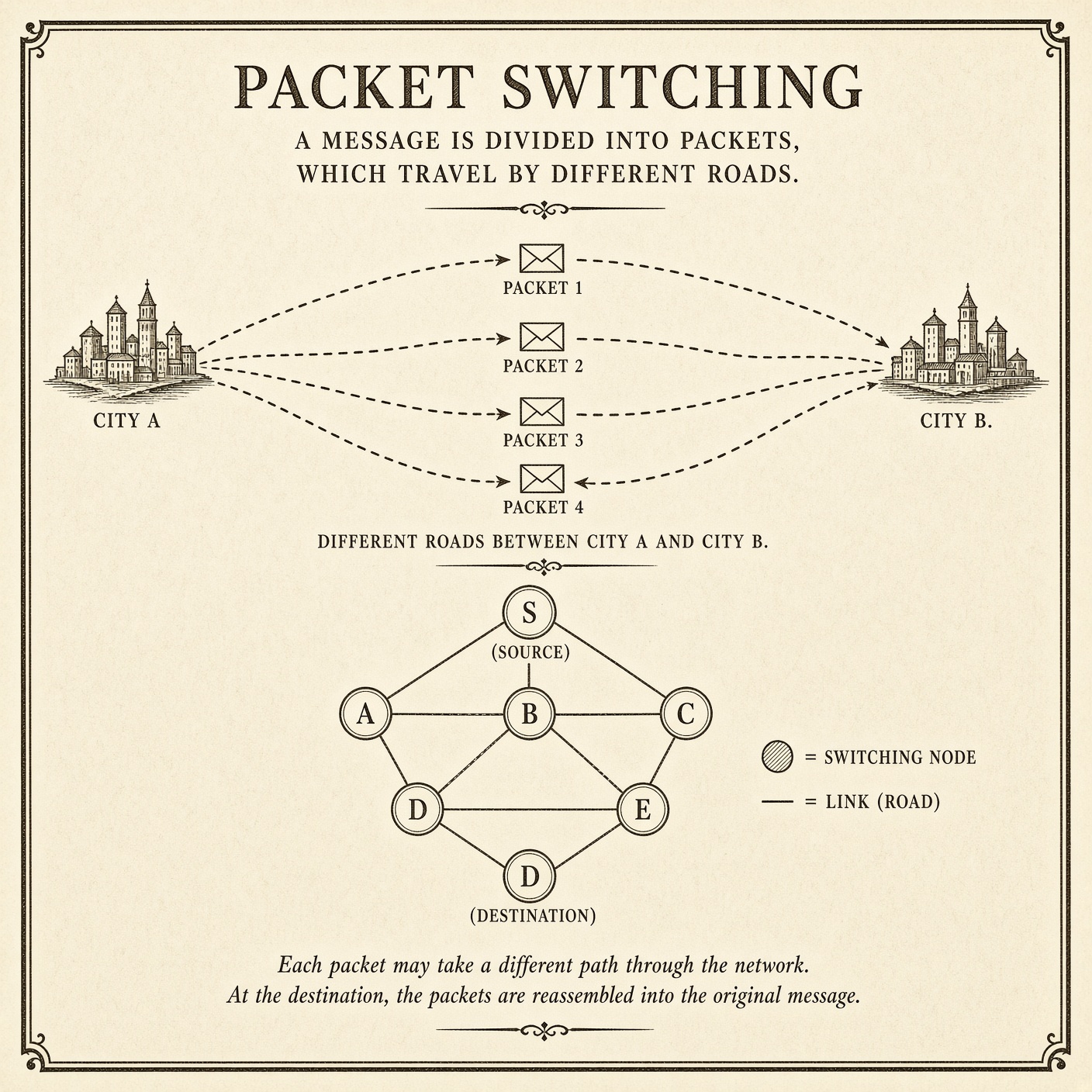
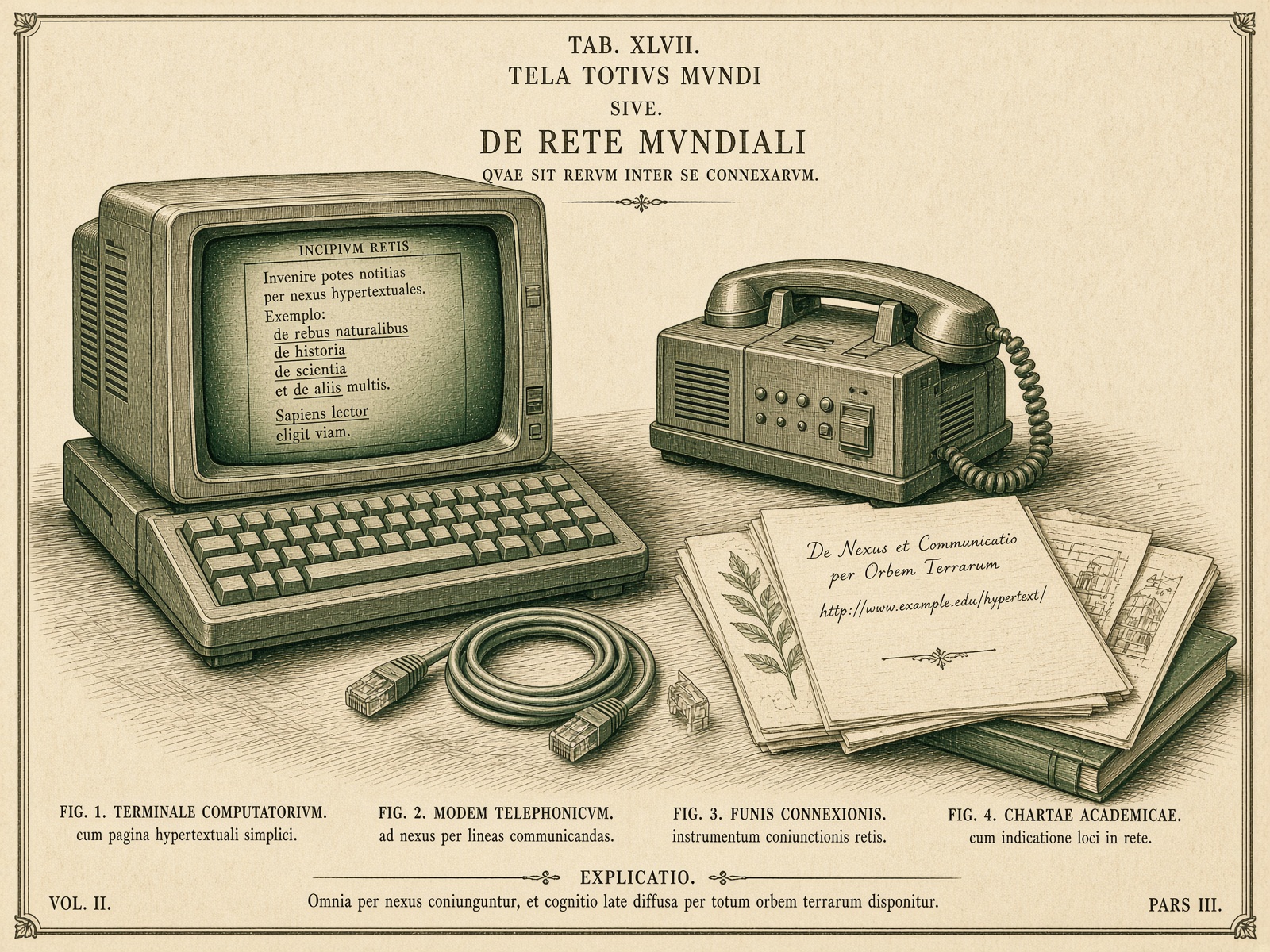
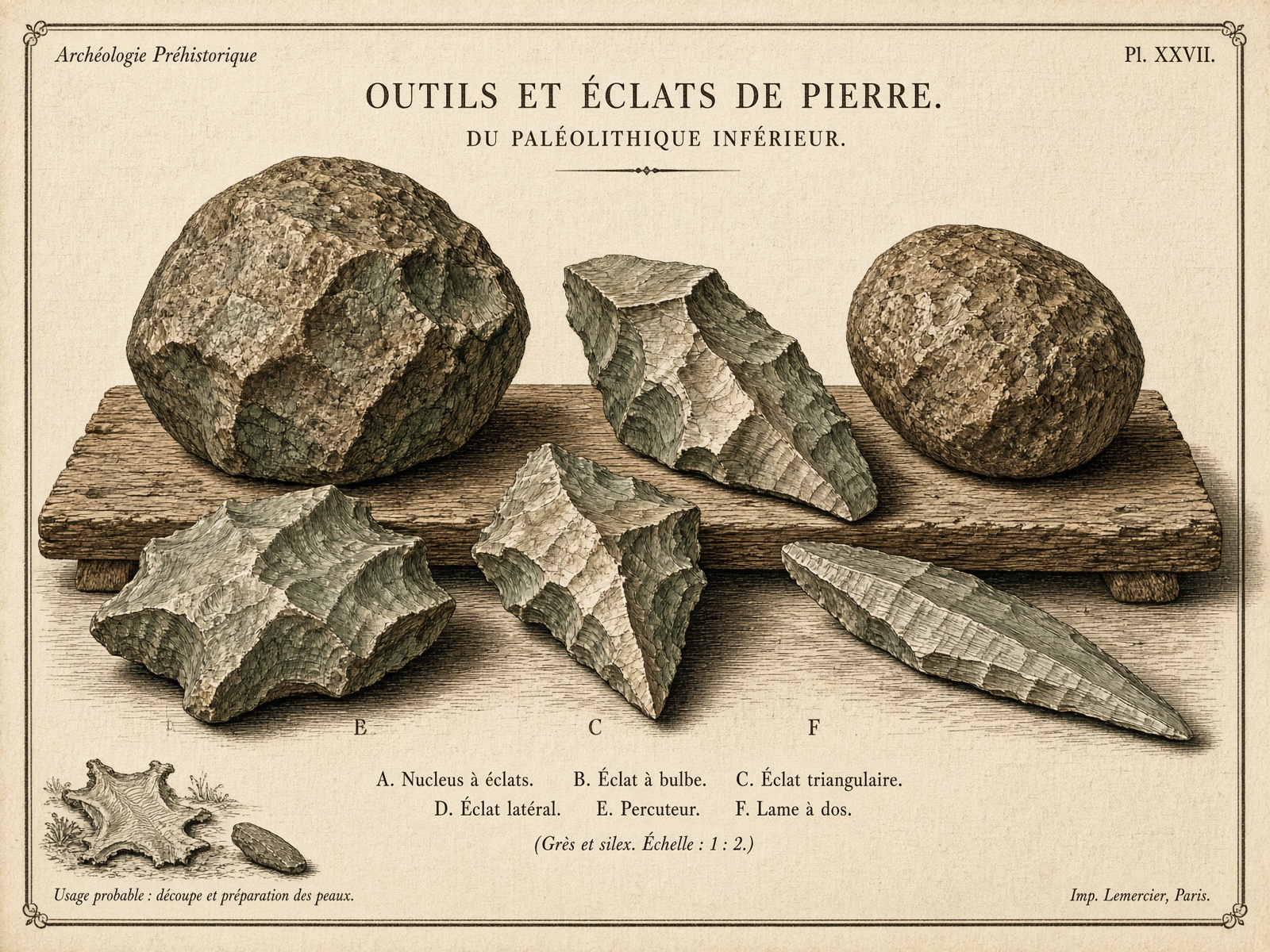
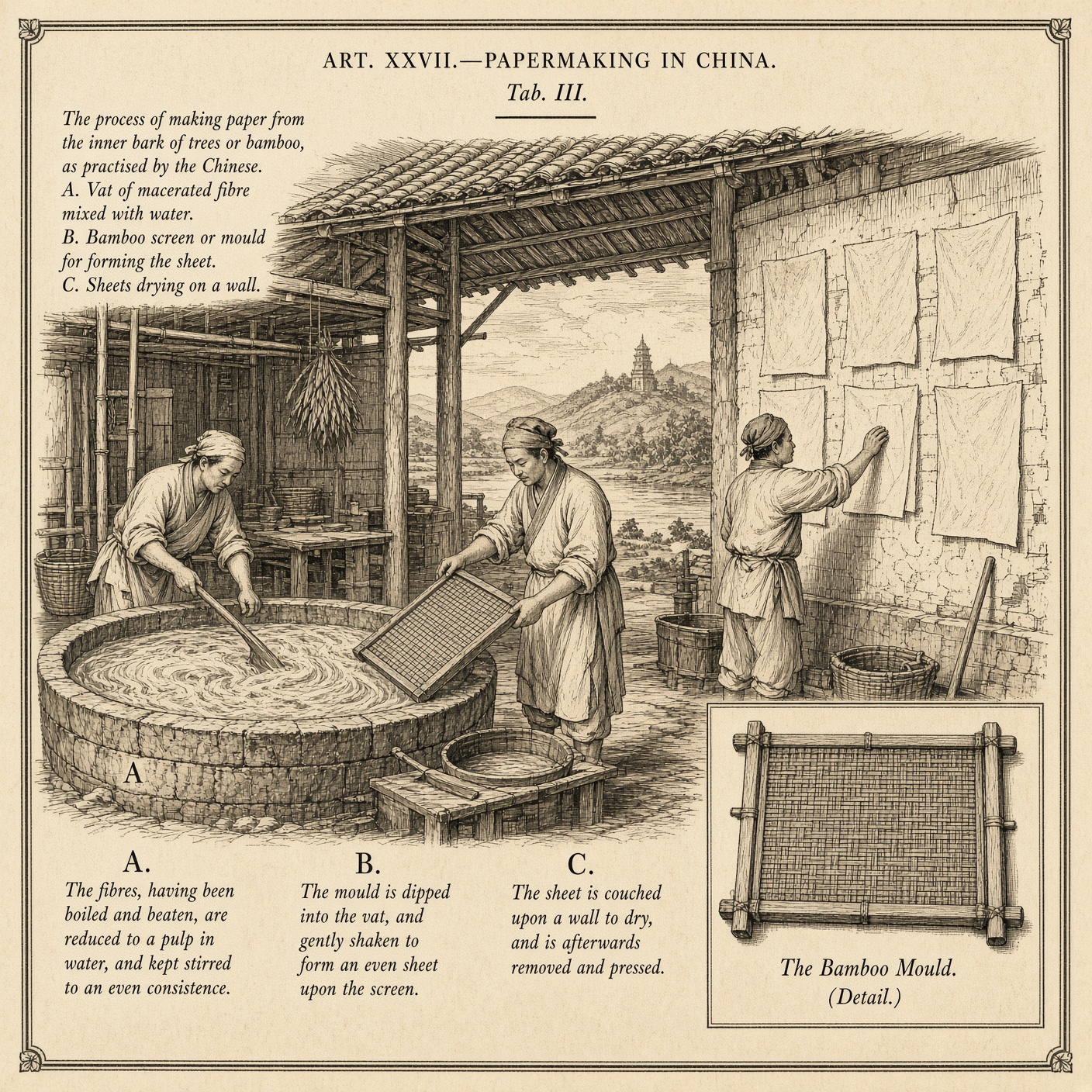
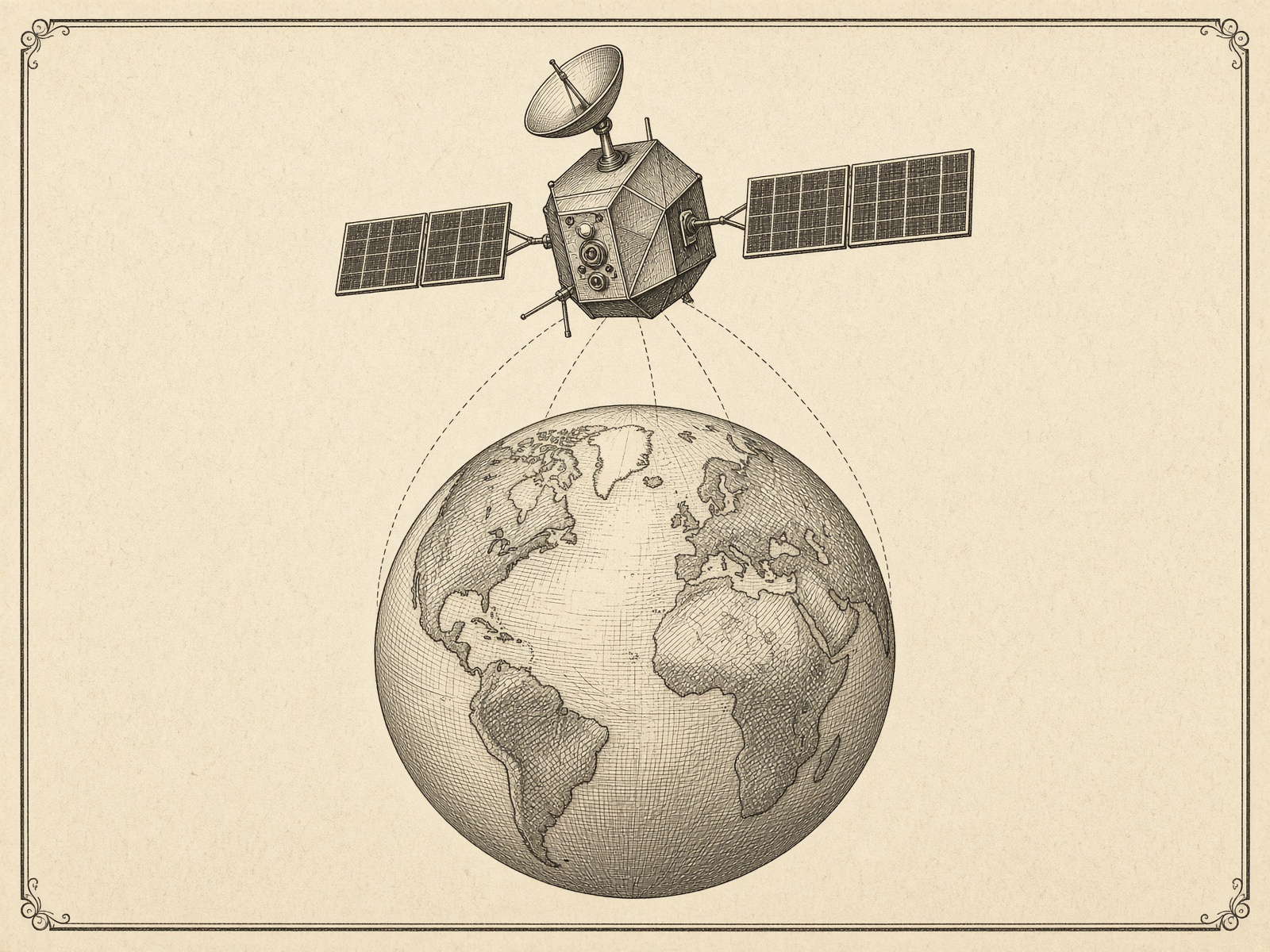
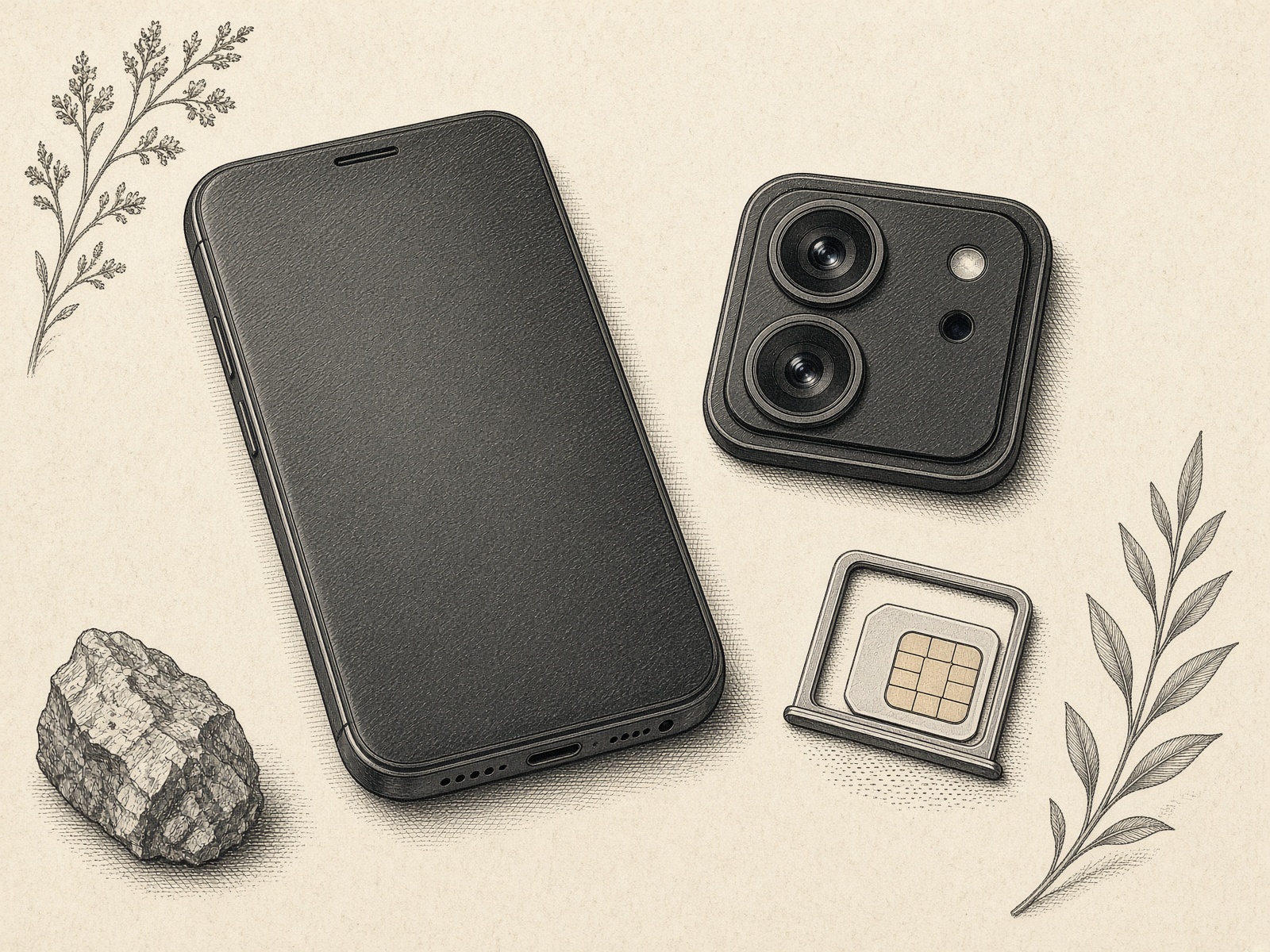
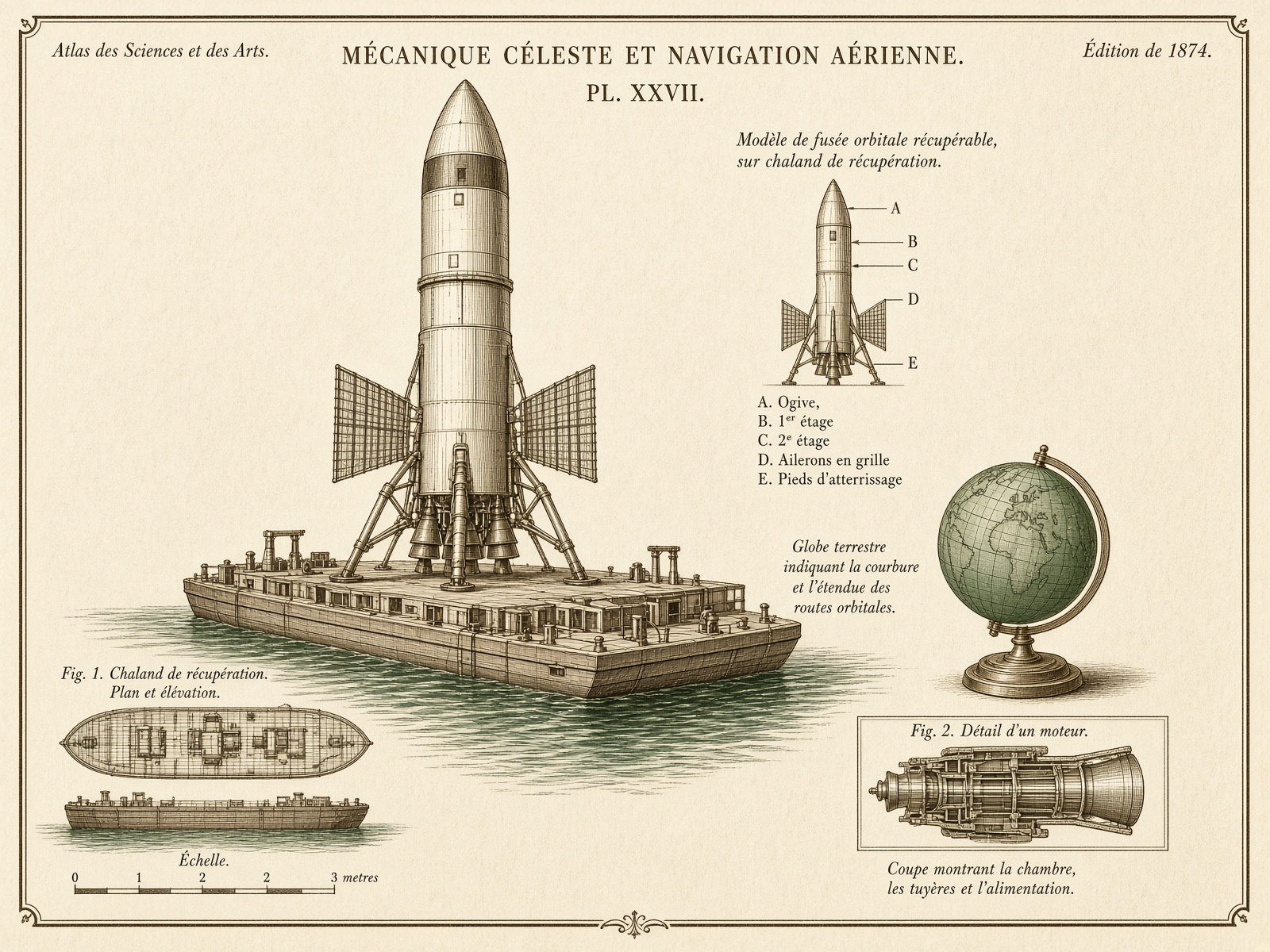
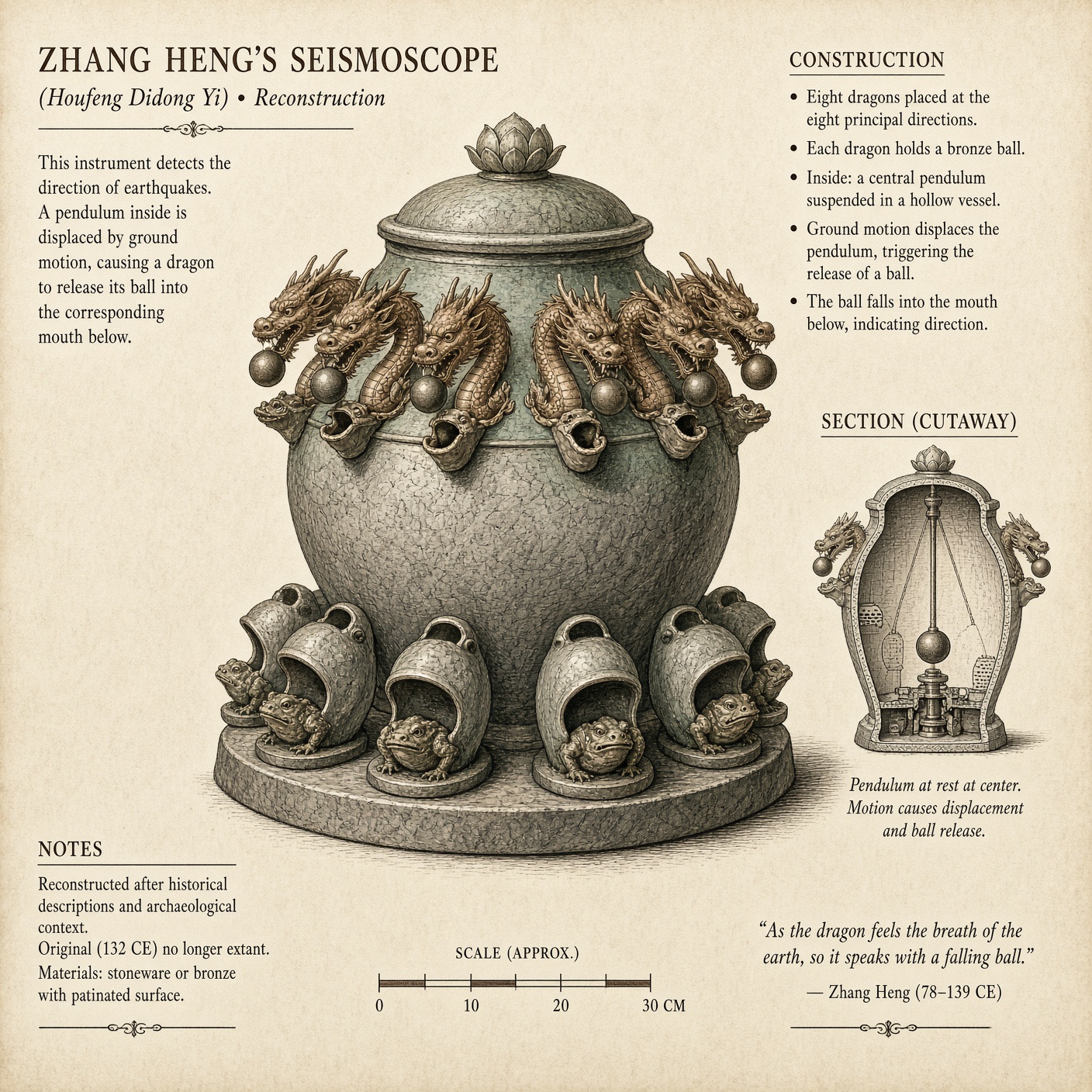
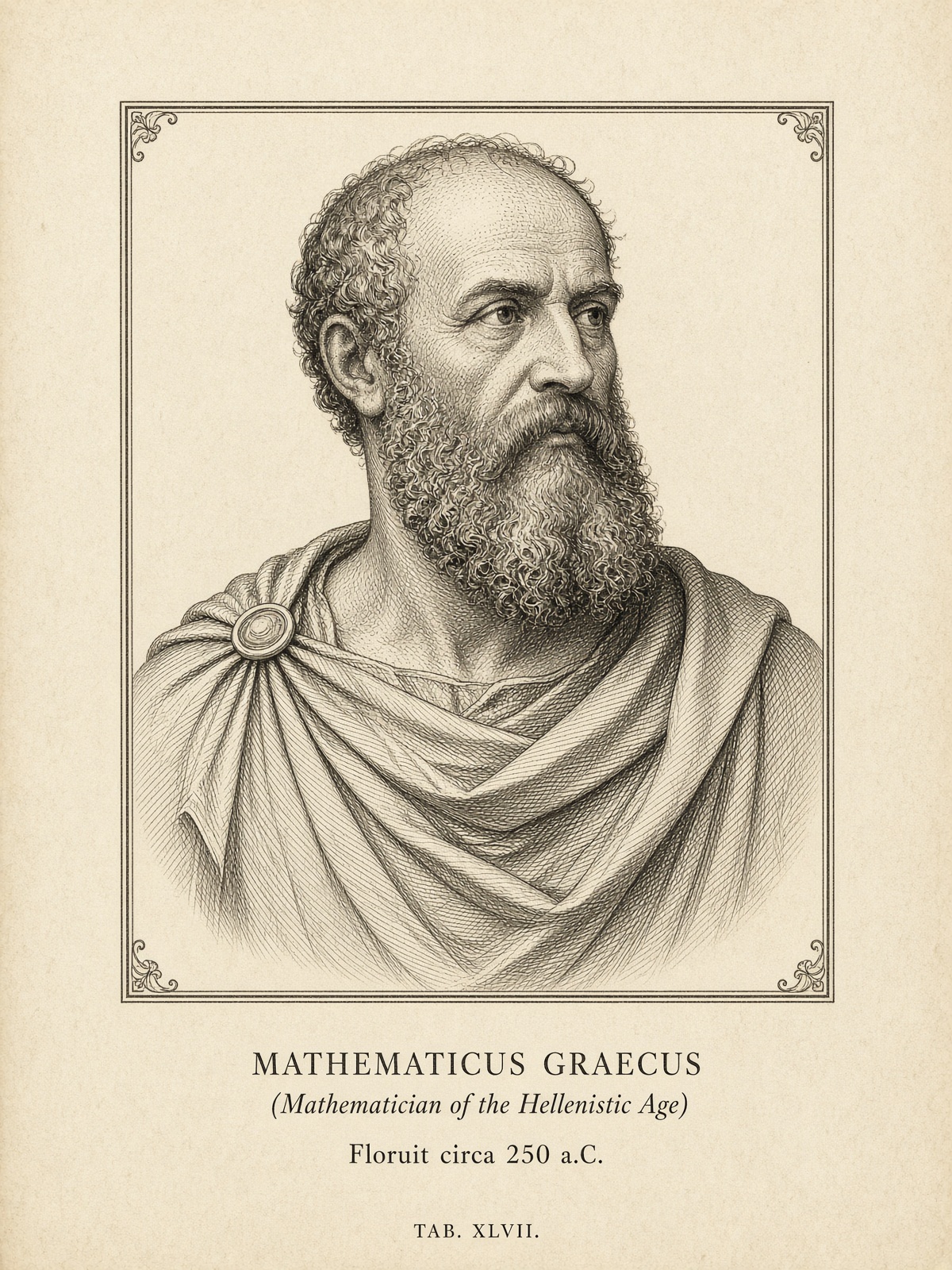
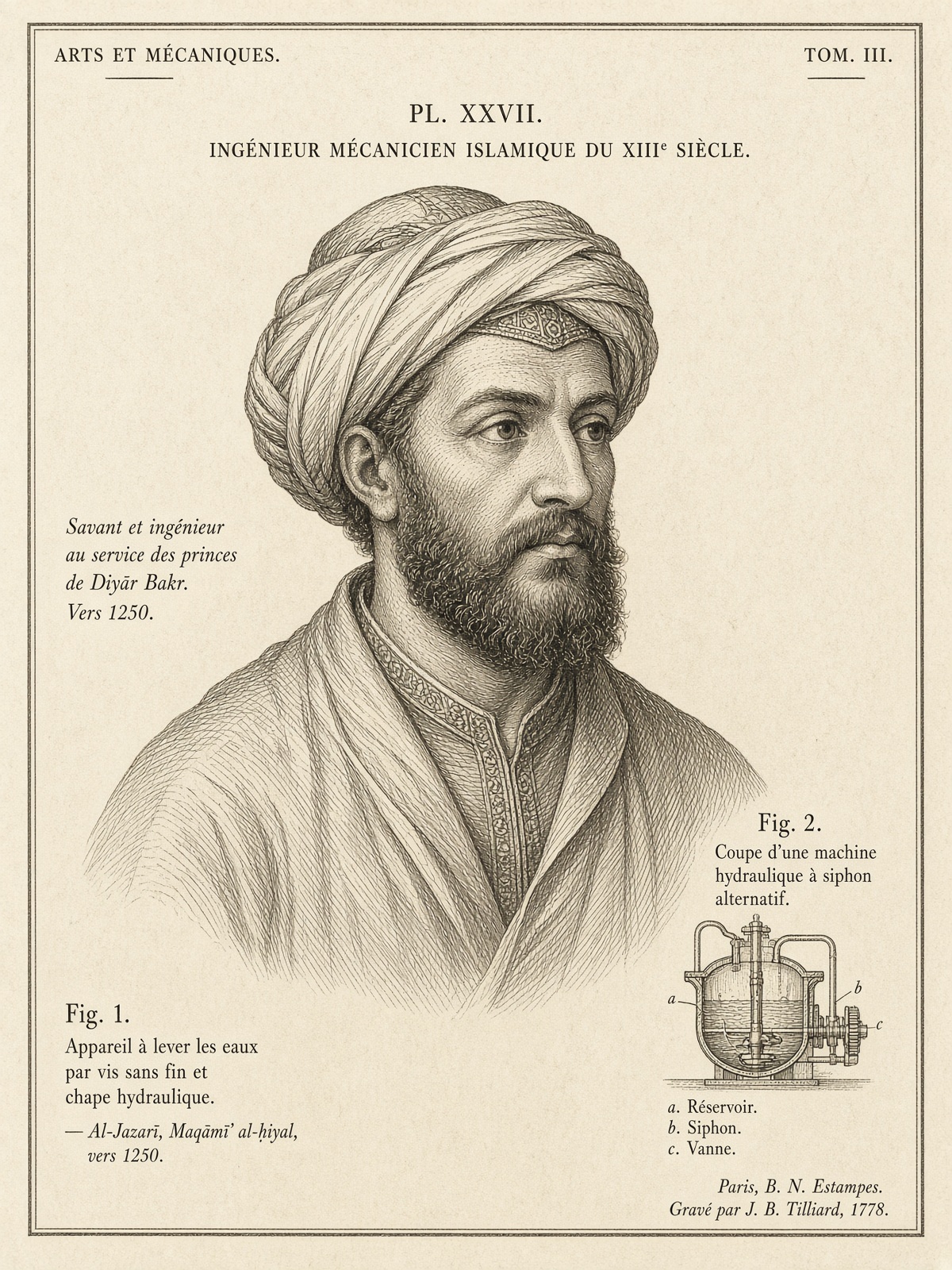
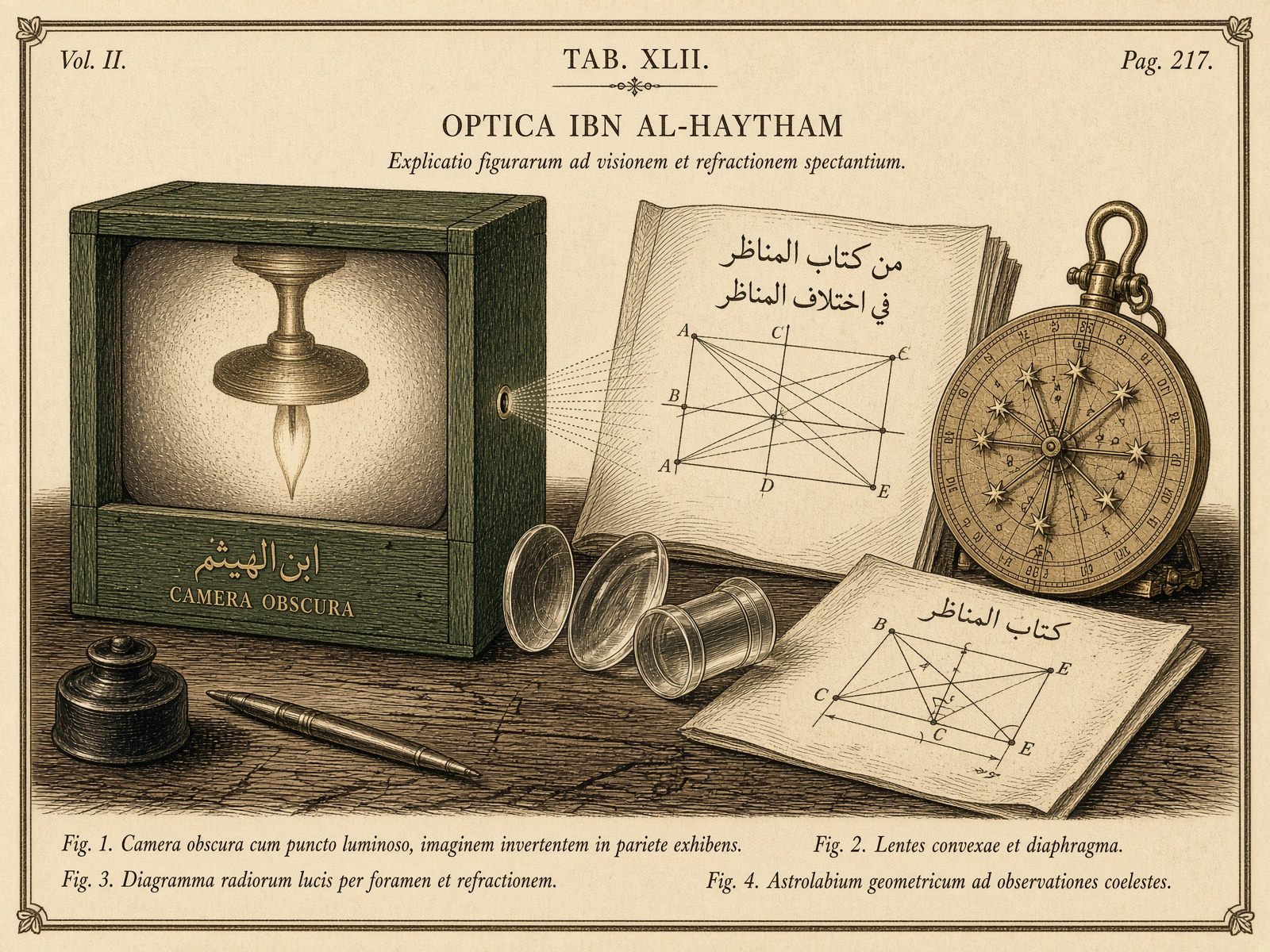
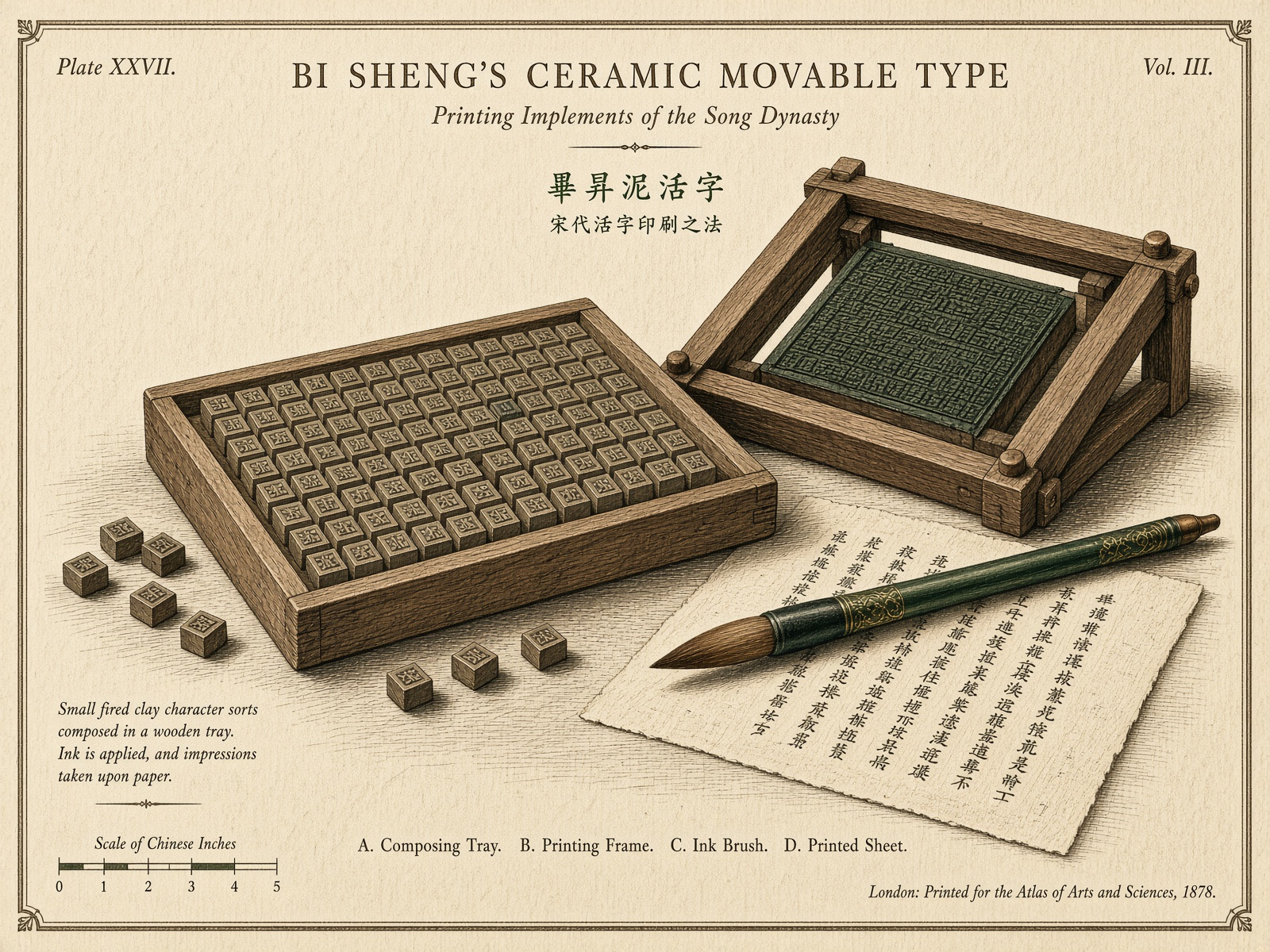
Every picture in this atlas is an original copperplate still-life drawn for Chronotech — not a museum photograph, not a copyrighted portrait.
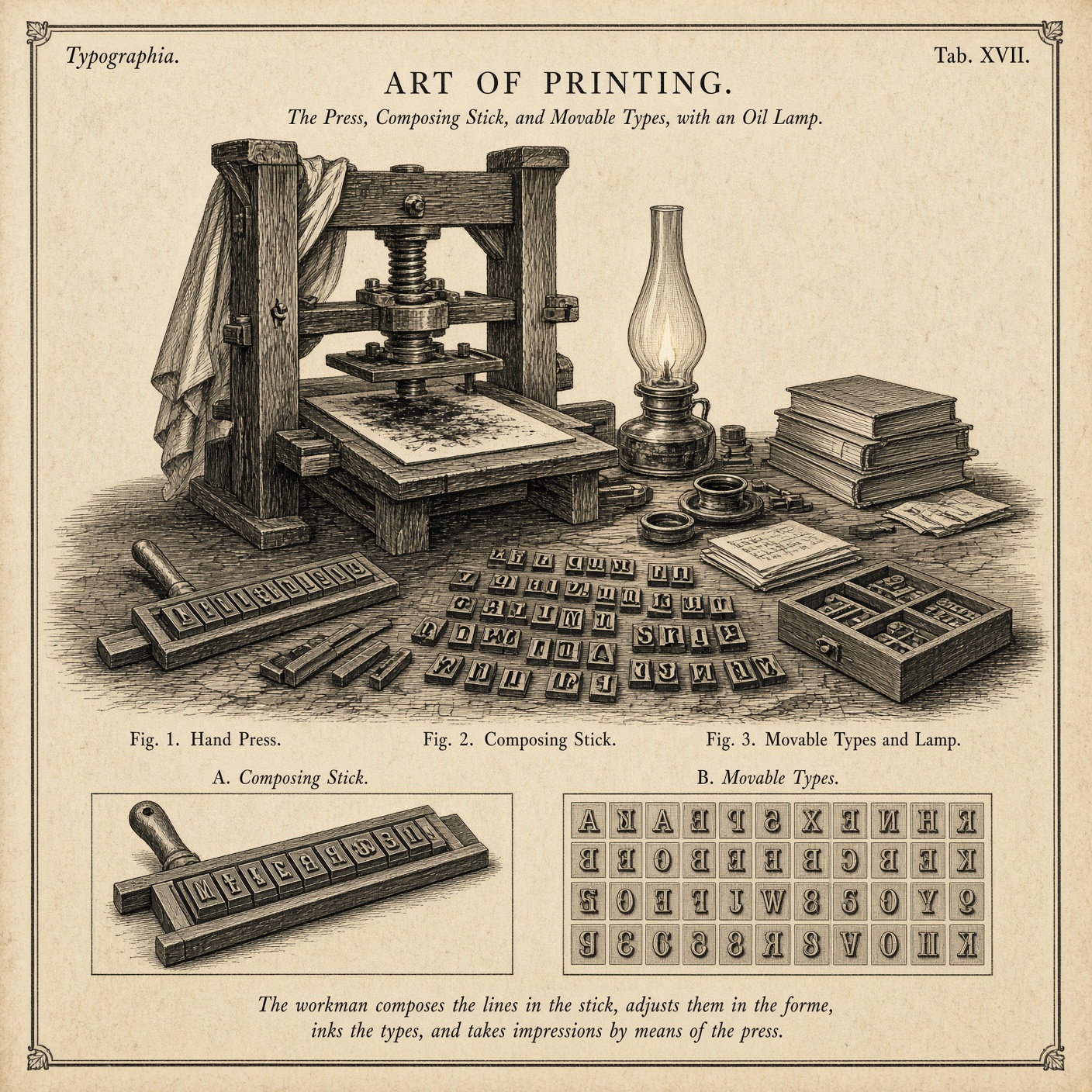
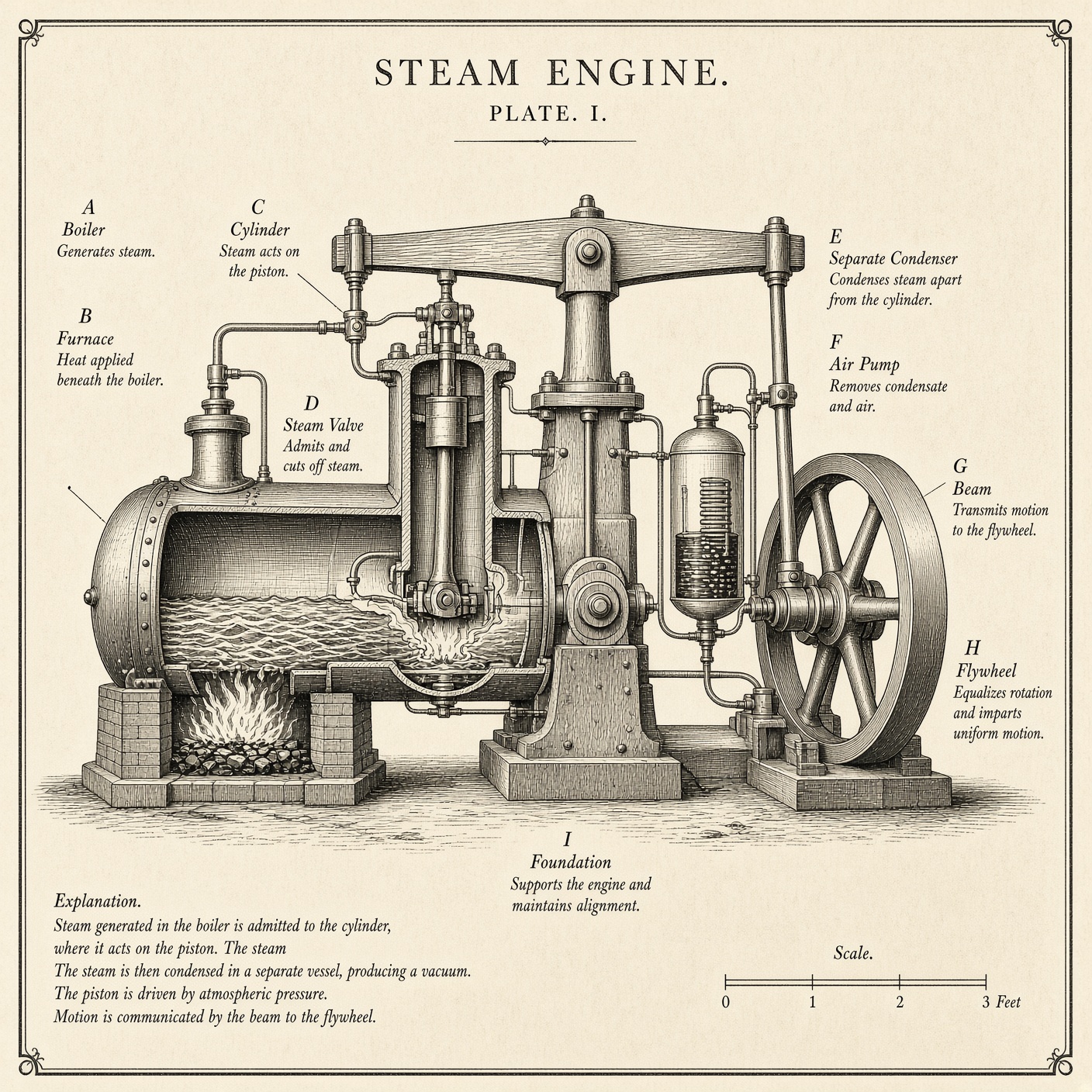
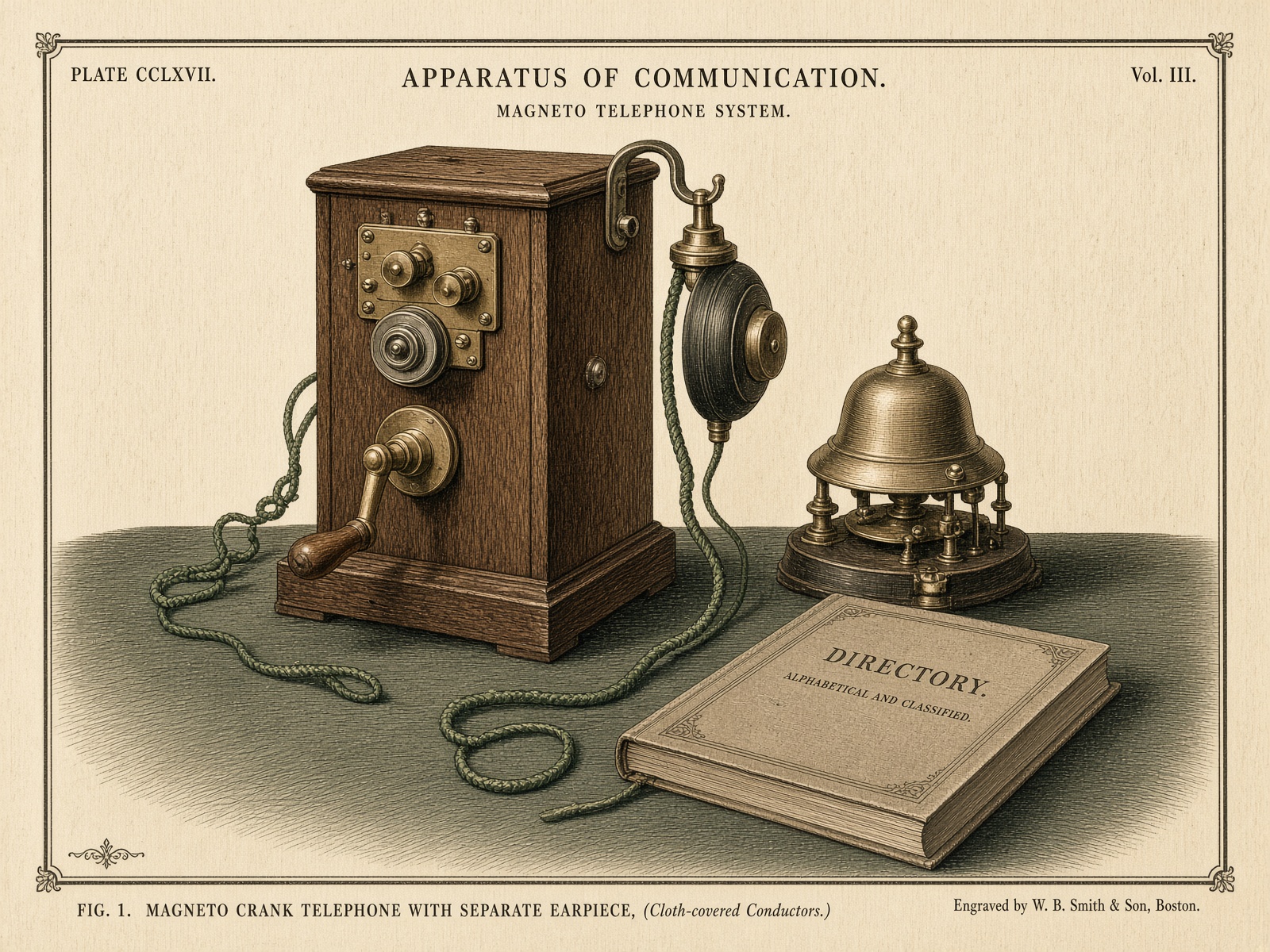
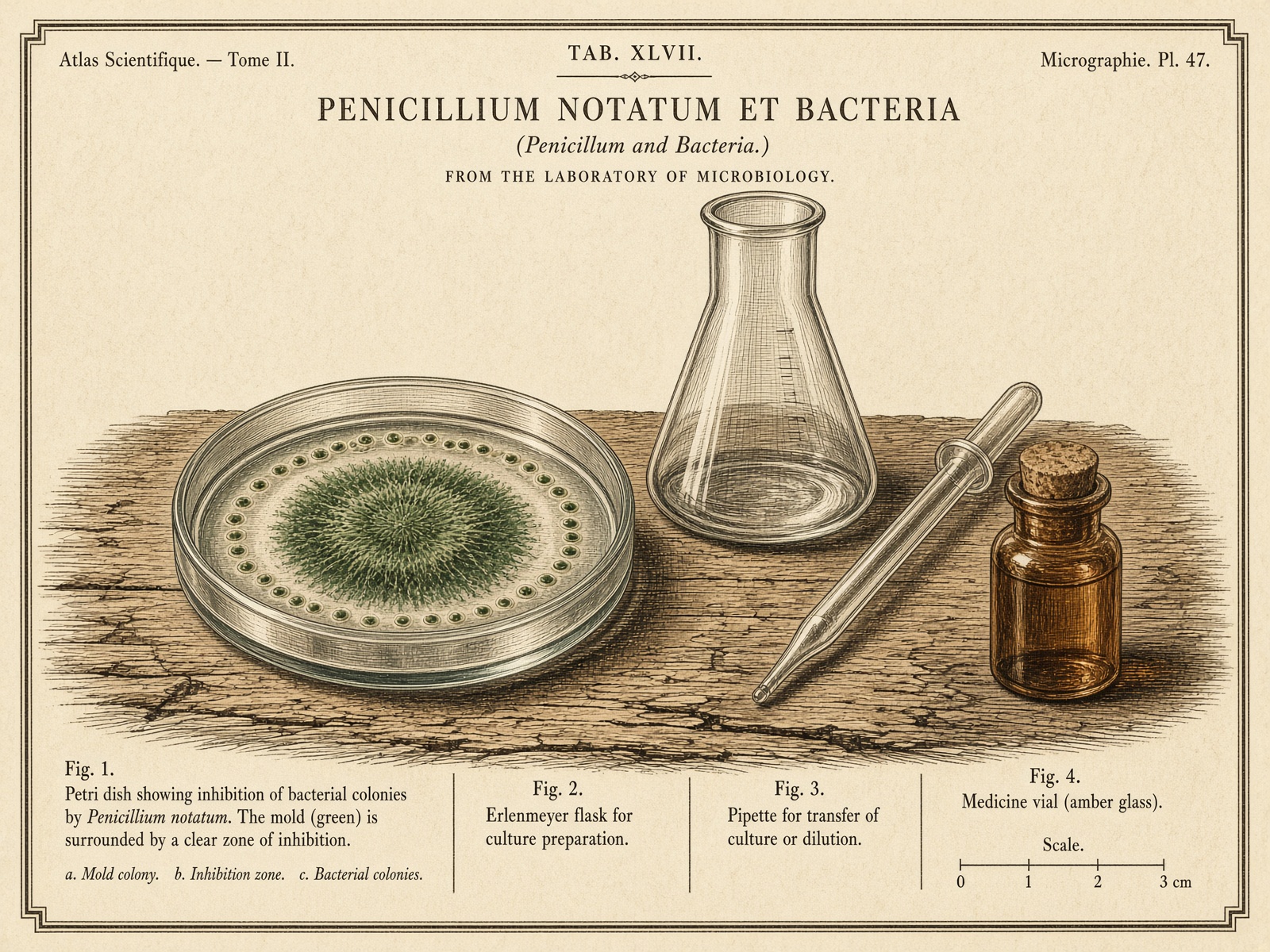
Seven volumes
- Vol. IMechanicsForce, heat, and moving parts — from stone flakes to jet engines.12 landmarks
- Vol. IIElectronicsCharge under control: batteries, lamps, tubes, and the first computers.10 landmarks
- Vol. IIIAutomobilesThe road vehicle as a system: engine, tire, factory, and safety.11 landmarks
- Vol. IVChemicalsMatter rewritten — metals, dyes, fertilizers, plastics, medicines.11 landmarks
- Vol. VSemiconductorsThe switch that shrank: transistor to chip to accelerator.9 landmarks
- Vol. VICommunicationsWriting to wireless: how ideas left the room and then the planet.11 landmarks
- Vol. VIITransportationWater, rail, air, orbit, and the box that stitched trade together.11 landmarks
Who turned the wheel
InventorsTechnology is not only machines. It is people who noticed, argued, failed, and taught. This volume is a first-edition gallery of outstanding inventors and scientists — East and West — whose work still sits under later tools.

Master timeline
Open full atlasTime is stretched after 1750 so later centuries are readable. Node size marks editorial impact, not a score.
Landmark of the edition
1947
Transistor
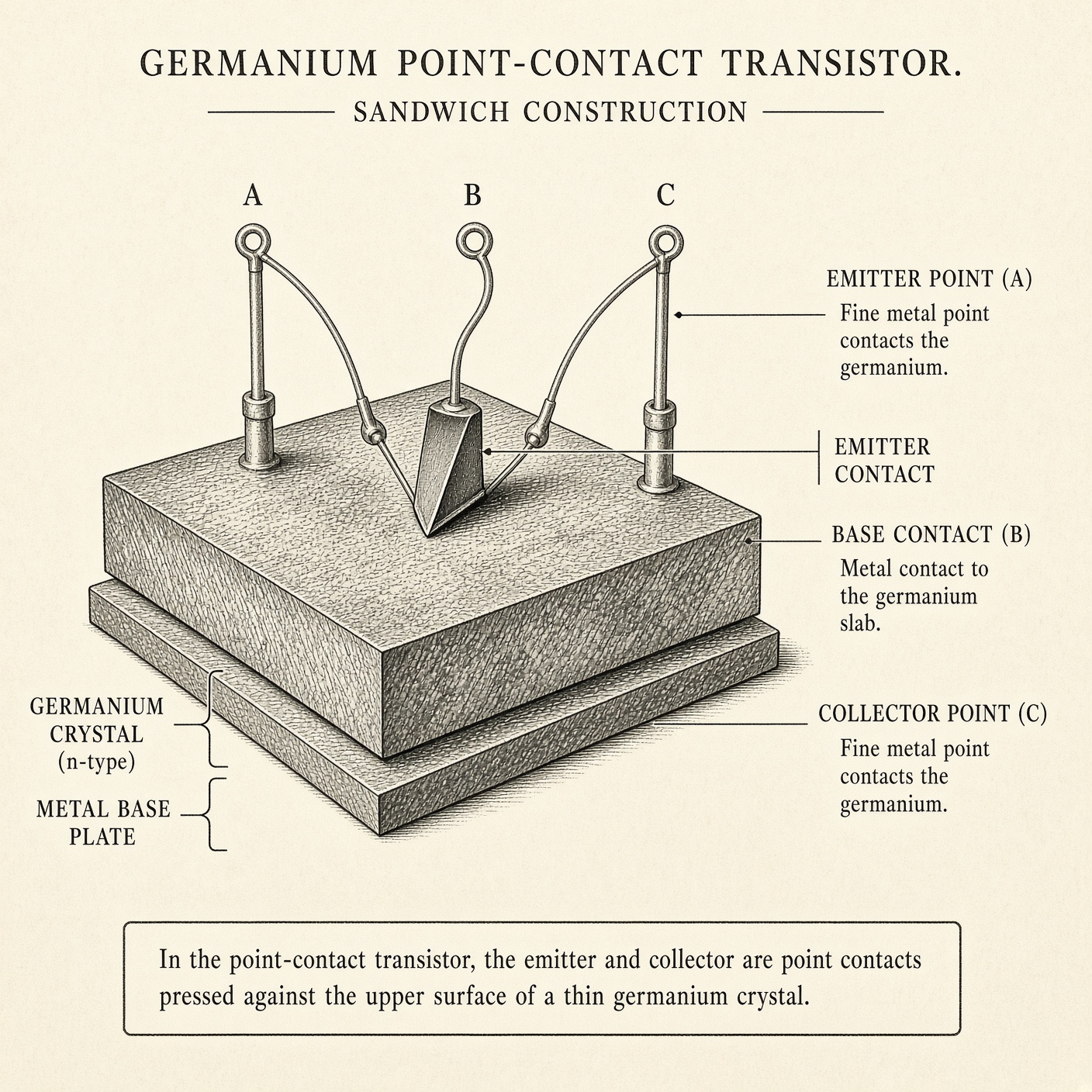
In December 1947 three researchers at Bell Labs built a small sandwich of germanium that could switch and amplify a signal without a glowing glass tube. That part — the transistor — is why radios, computers, and phones could shrink from furniture to a pocket. It needs no heater, fails less often, and can later be printed by the billion on one chip.
Read the article
Must-know nodes