Chronotech

Volume IV · 11 landmarks

Chemicals

Matter rewritten — metals, dyes, fertilizers, plastics, medicines.
  1. Bronze smelting
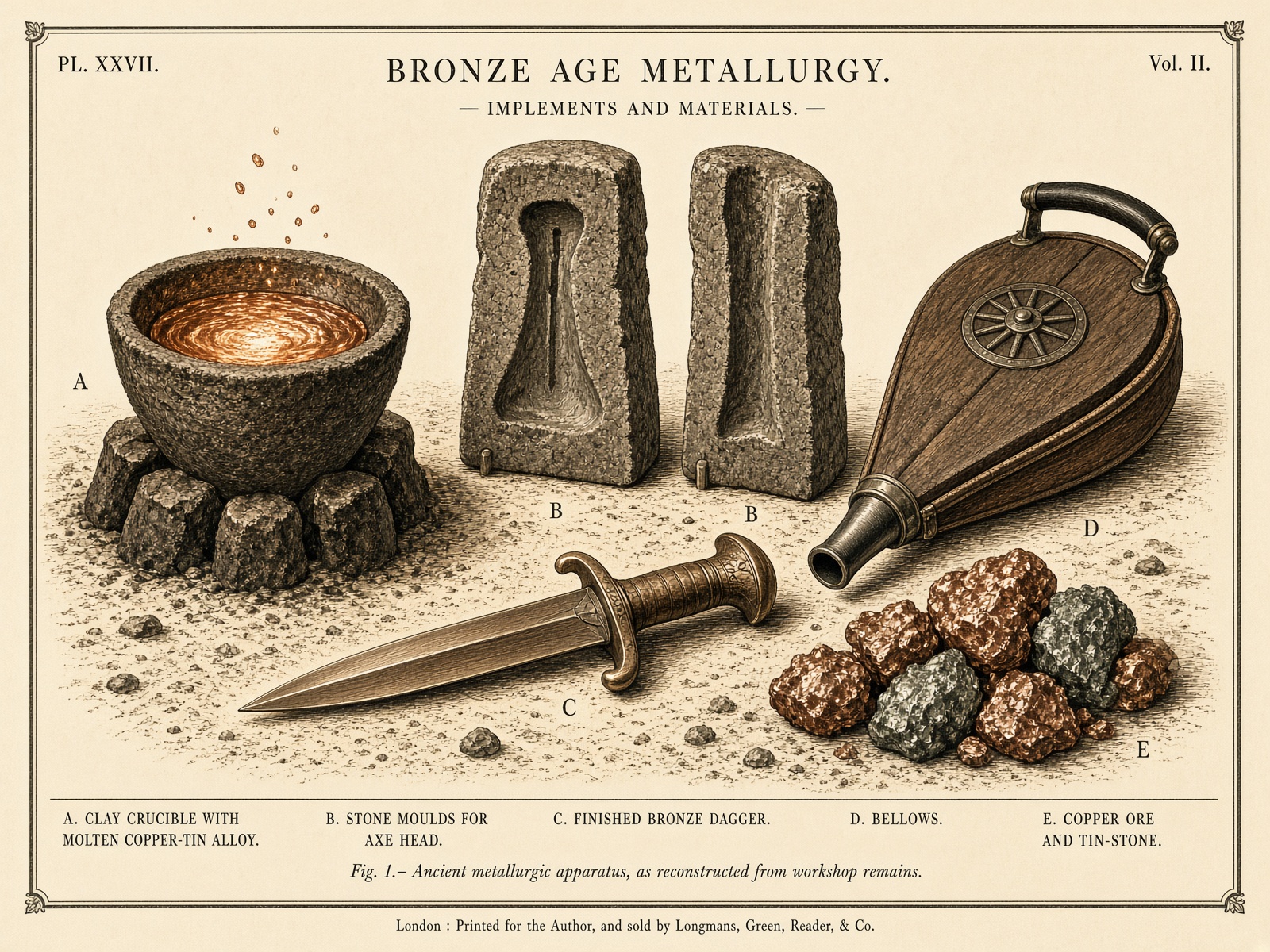
    c. 3300 BCEBronze smeltingCopper melts.
  2. Iron and steel
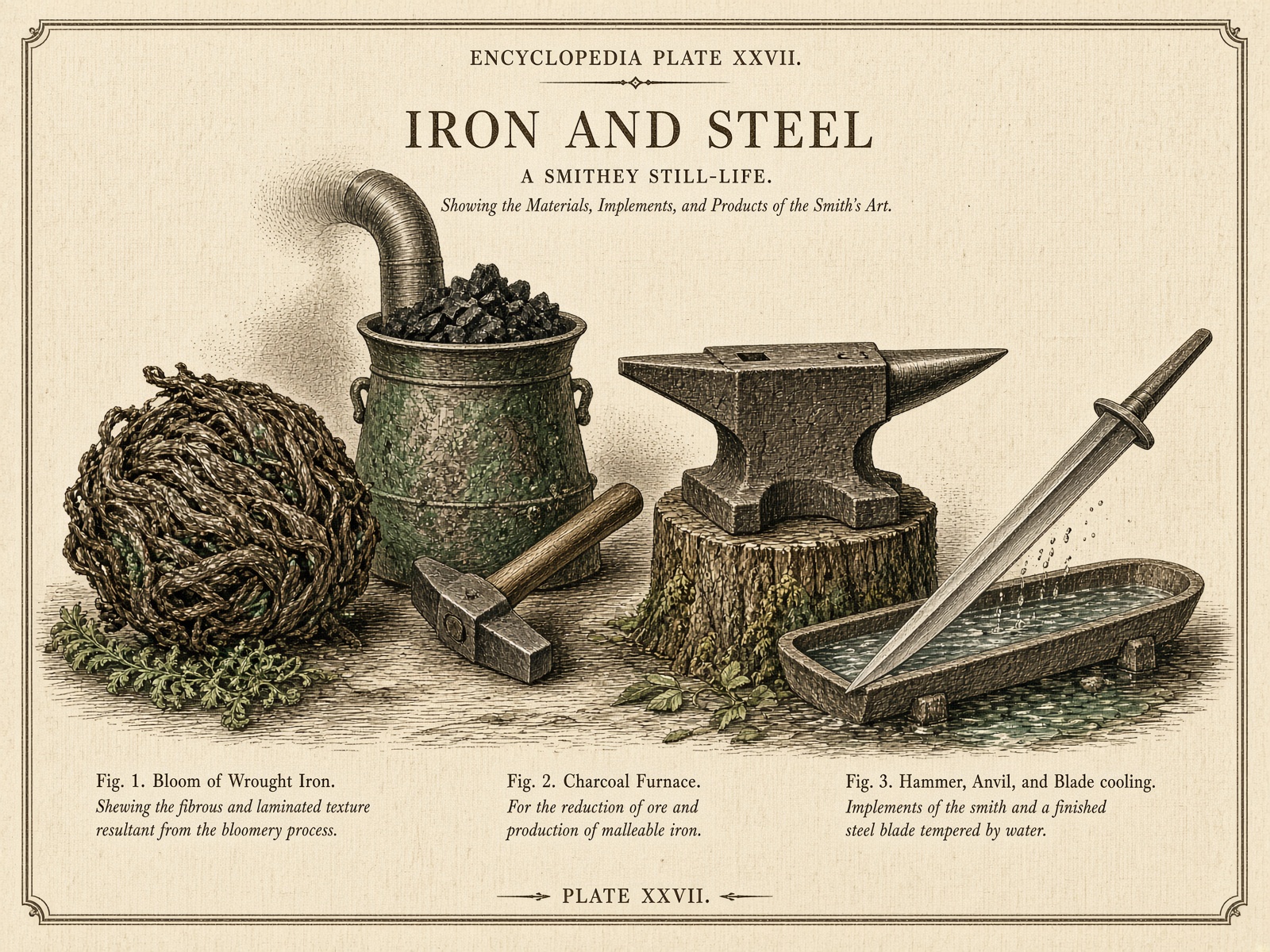
    c. 1200 BCE (iron); 1856 (Bessemer steel)Iron and steelIron ore is common; useful iron is not.
  3. Distillation
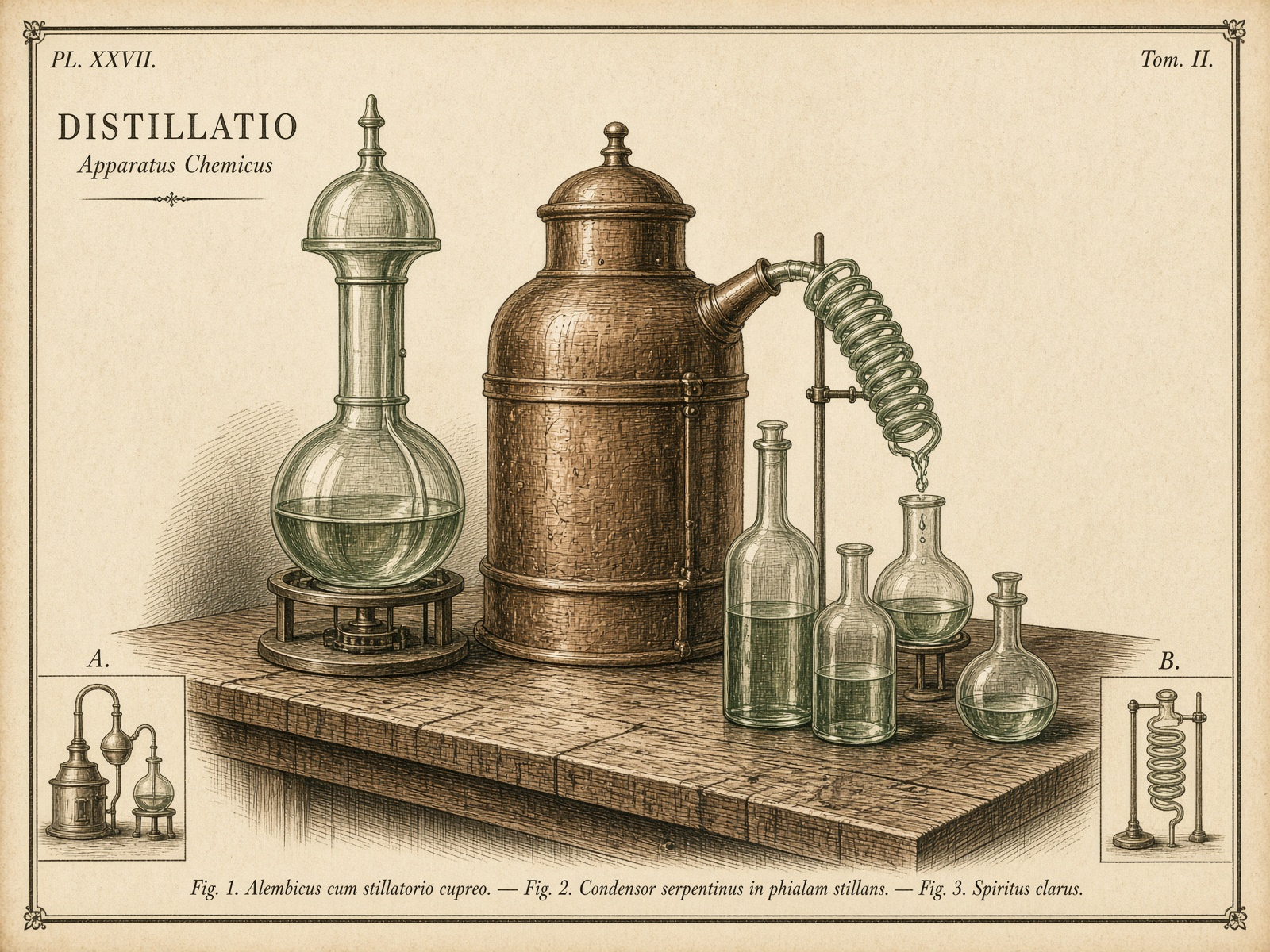
    c. 8th–9th century (mature stills)DistillationHeat a mixture, catch the vapor, cool it back to liquid.
  4. Gunpowder
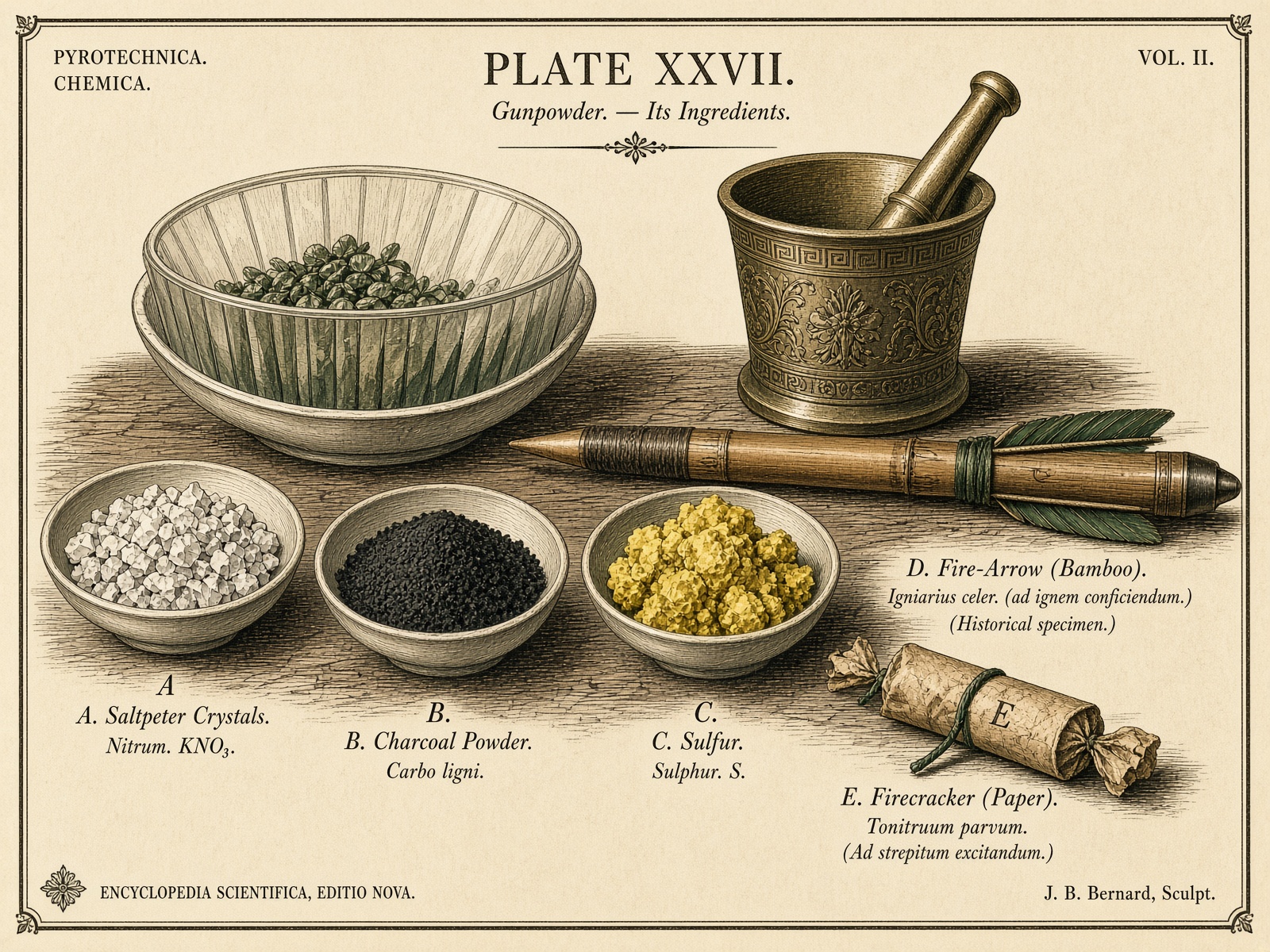
    c. 9th centuryGunpowderAlchemists in Tang China mixed saltpeter, charcoal, and sulfur and found a powder that burned too fast to be a medicine.
  5. Bessemer converter
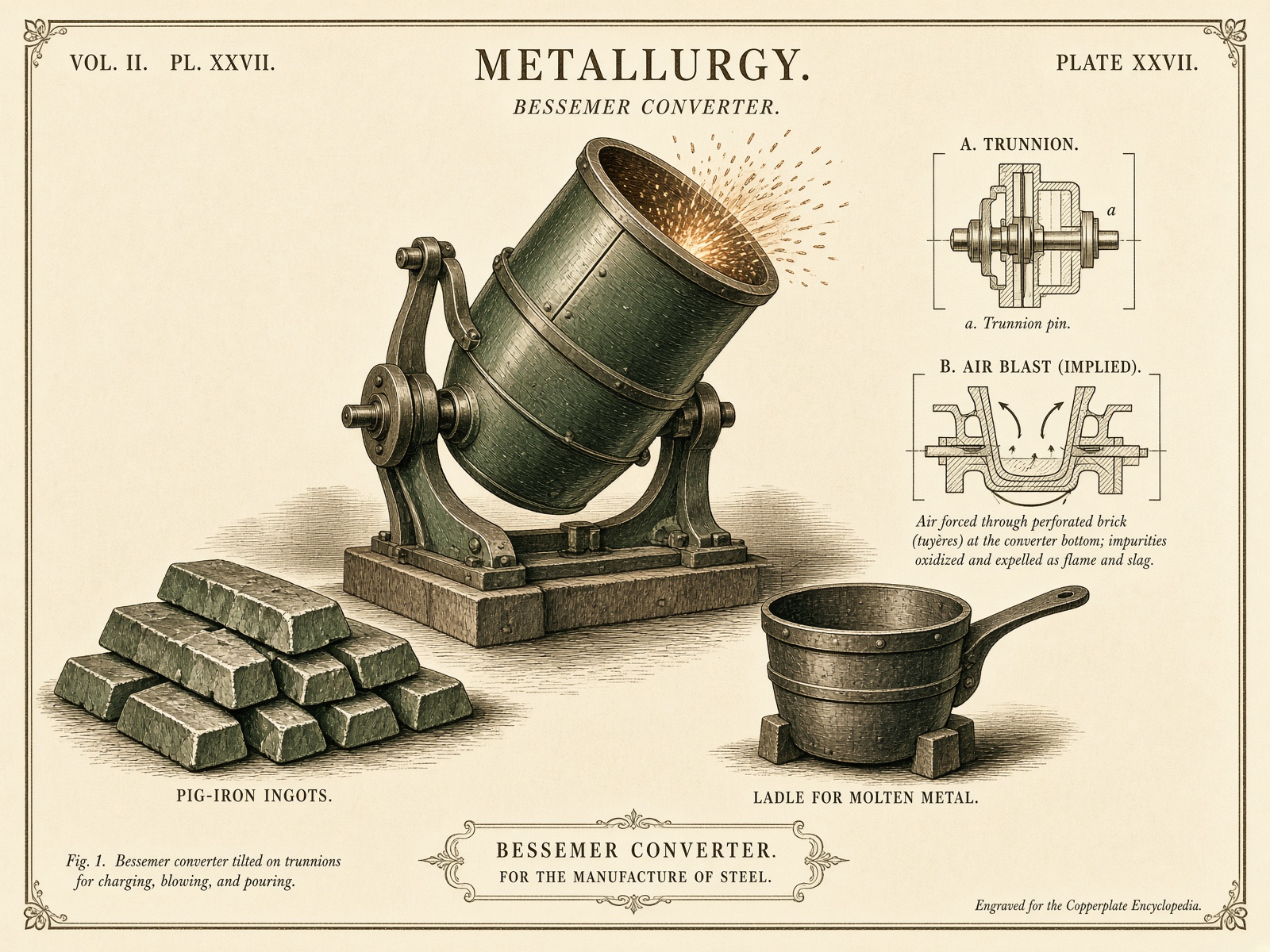
    1856Bessemer converterBefore Bessemer, steel was made in small crucibles.
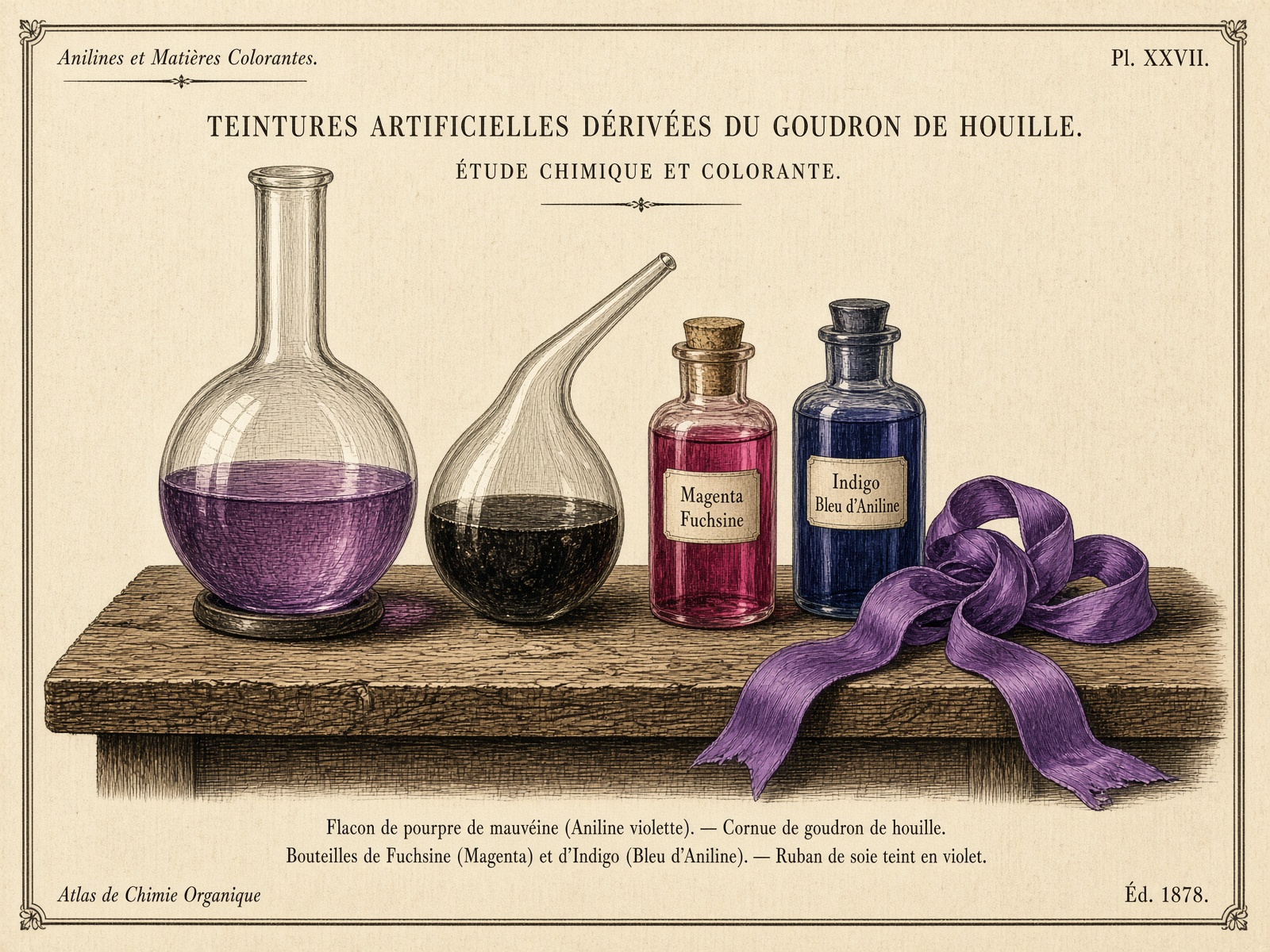
  6. Synthetic dye (mauveine)
    1856Synthetic dye (mauveine)Perkin, 18, was trying to make quinine from coal tar and got a purple stain instead.
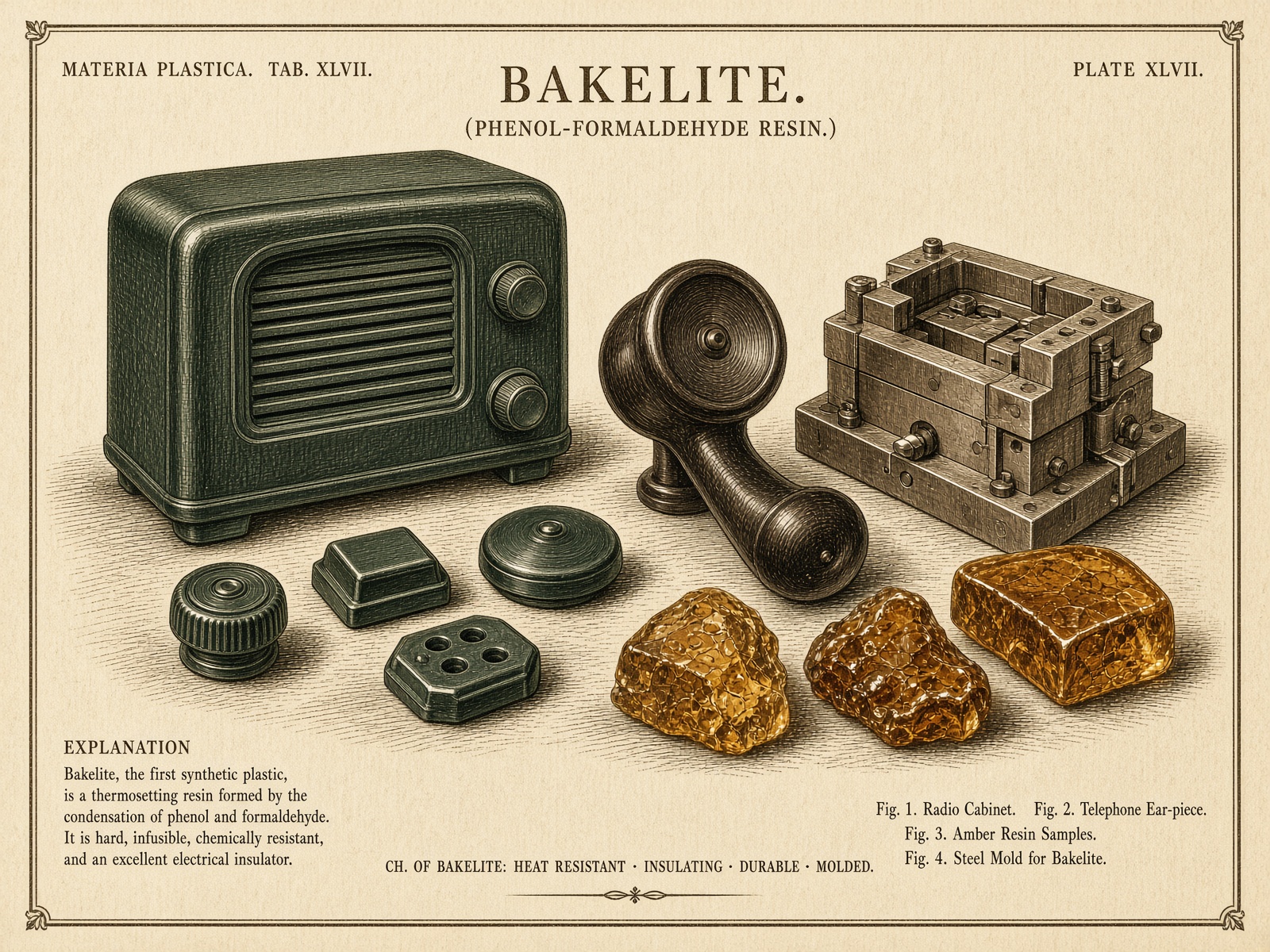
  7. Bakelite
    1907BakeliteBaekeland reacted phenol and formaldehyde into a resin that would not melt once it had set.
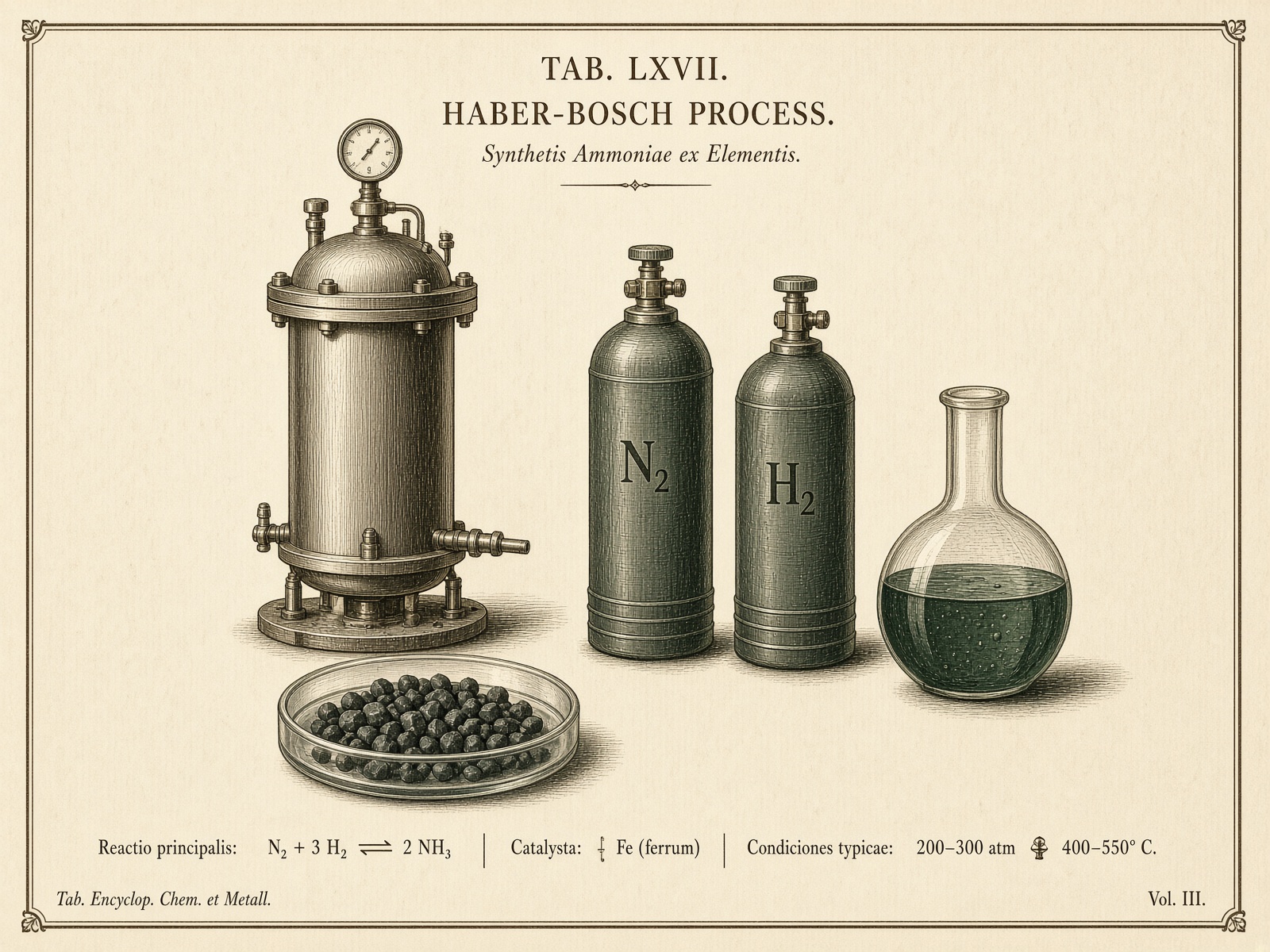
  8. Haber–Bosch ammonia
    1909 (Haber); 1913 (Bosch industrial)Haber–Bosch ammoniaPlants need nitrogen.
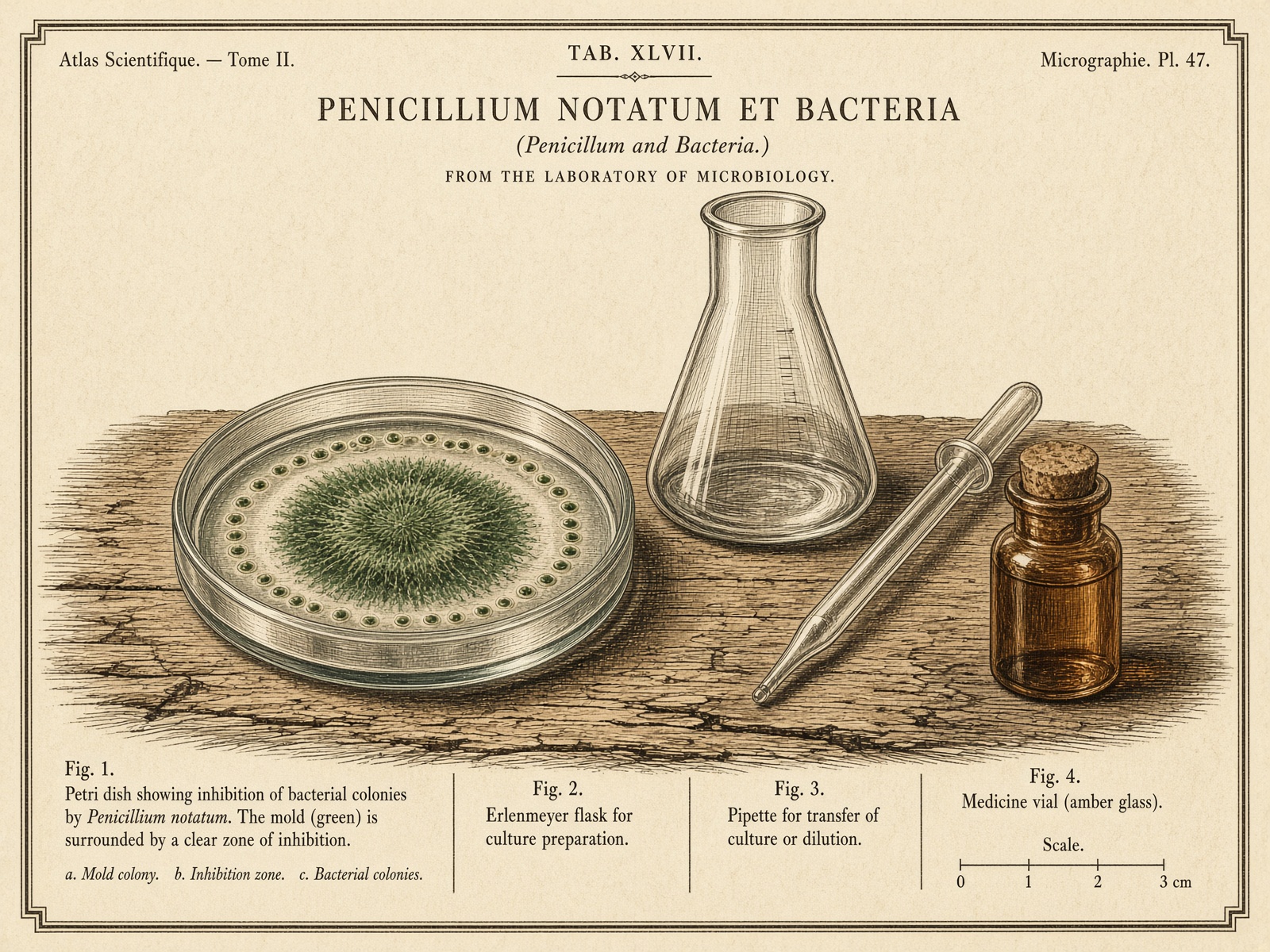
  9. Penicillin production
    1940s (industrial fermentation)Penicillin productionFleming saw a mold kill bacteria in a dish in 1928.
  10. Catalytic converter
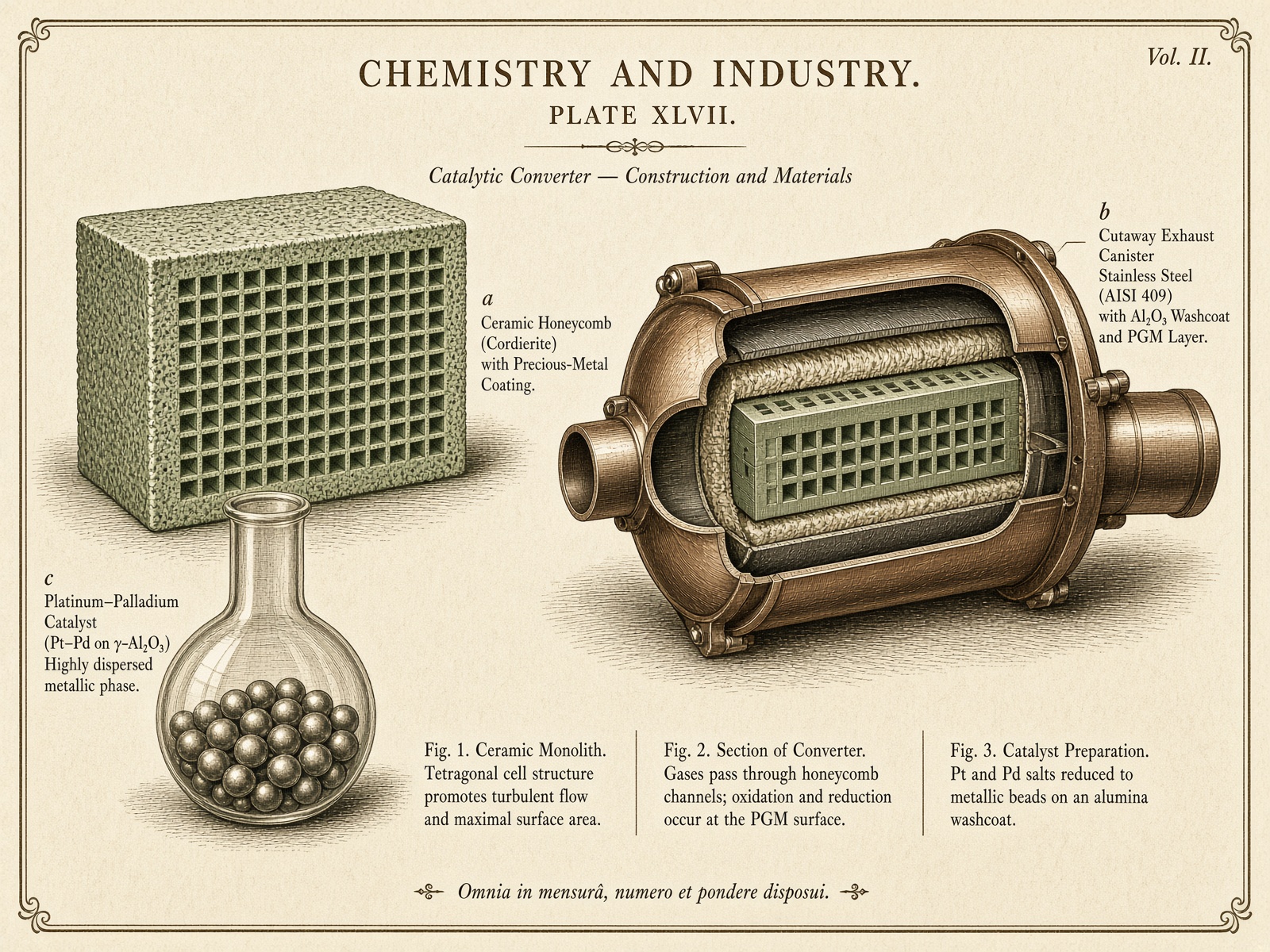
    1975 (U.S. auto mandate era)Catalytic converterA honeycomb of ceramic, coated with precious metals, sits in the exhaust and turns carbon monoxide, unburned hydrocarbons, and nitrogen oxides into less harmful gases.
  11. Lithium-ion battery
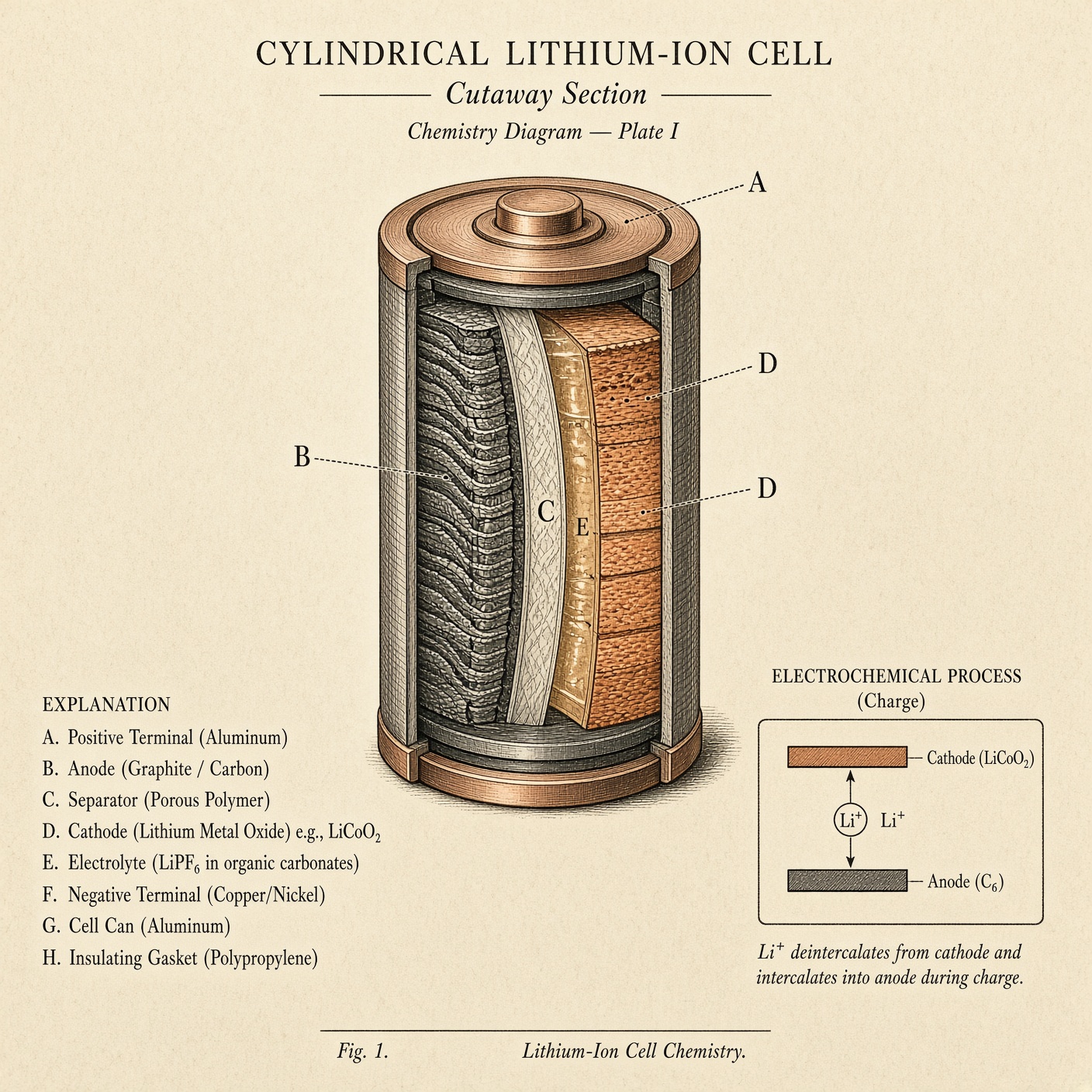
    1991 (Sony commercial cell)Lithium-ion batteryLithium is light and eager to shed an electron.