Electronics · Vol. II|Voltaic pile|1800
Voltaic pile
1800
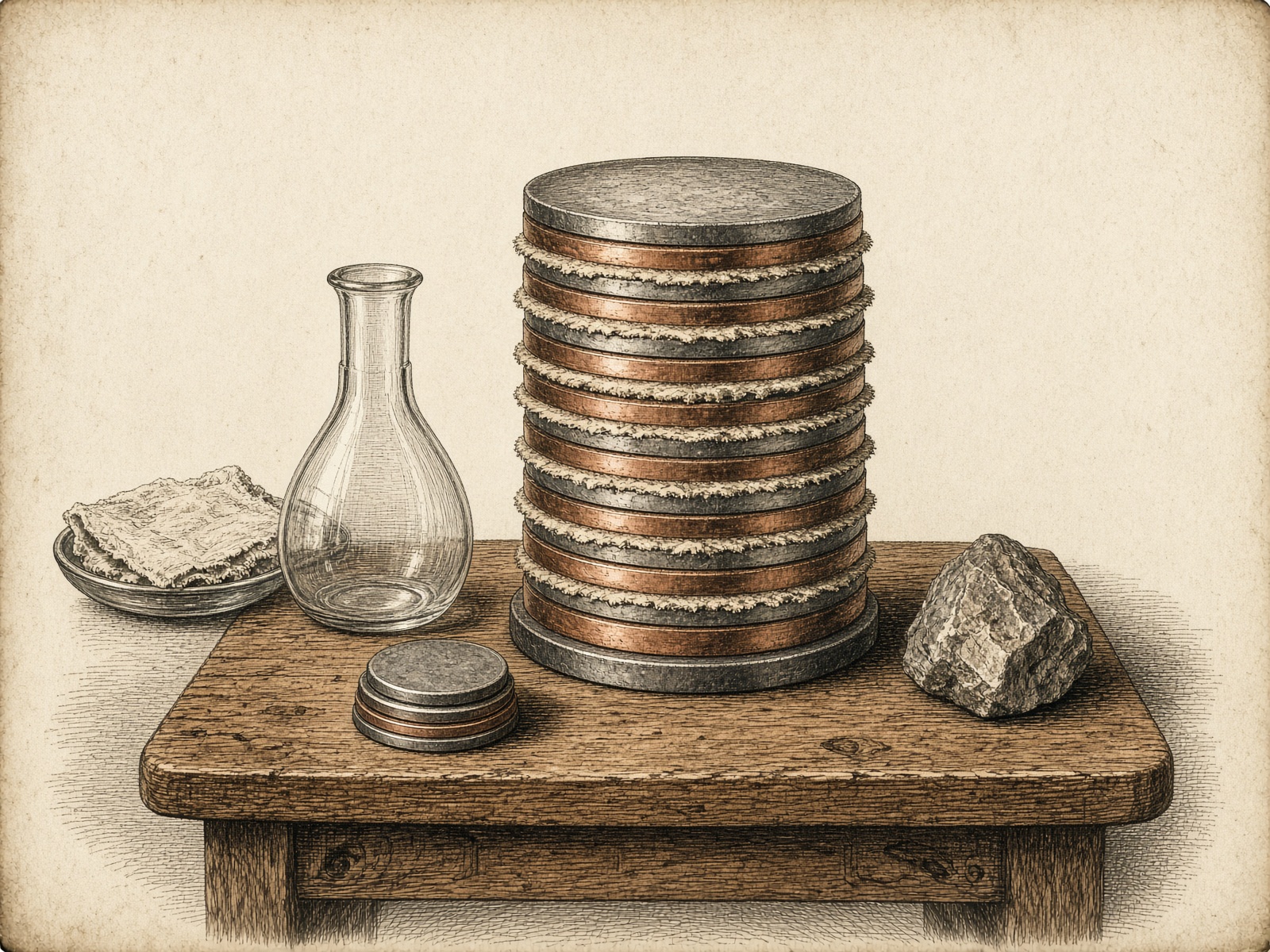
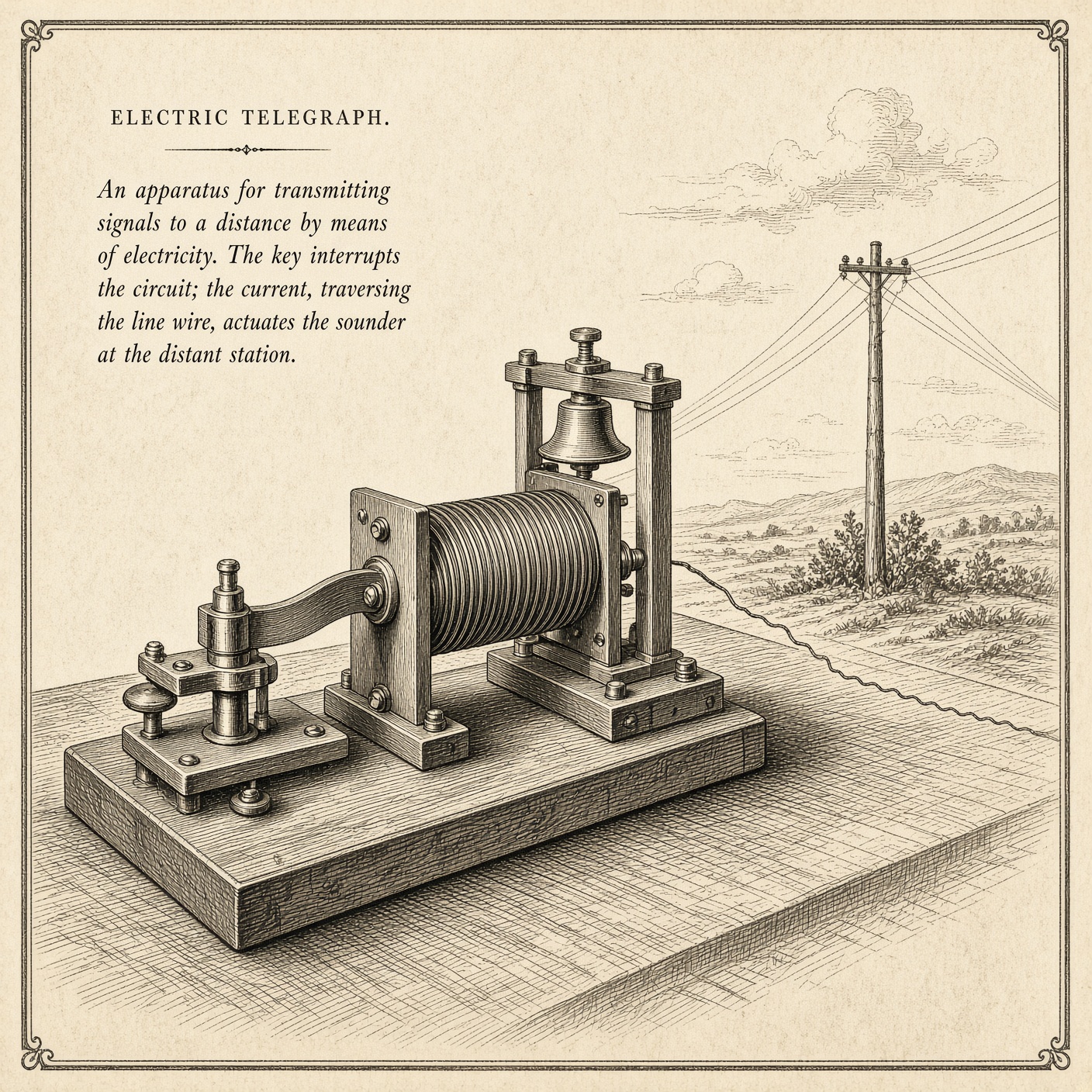
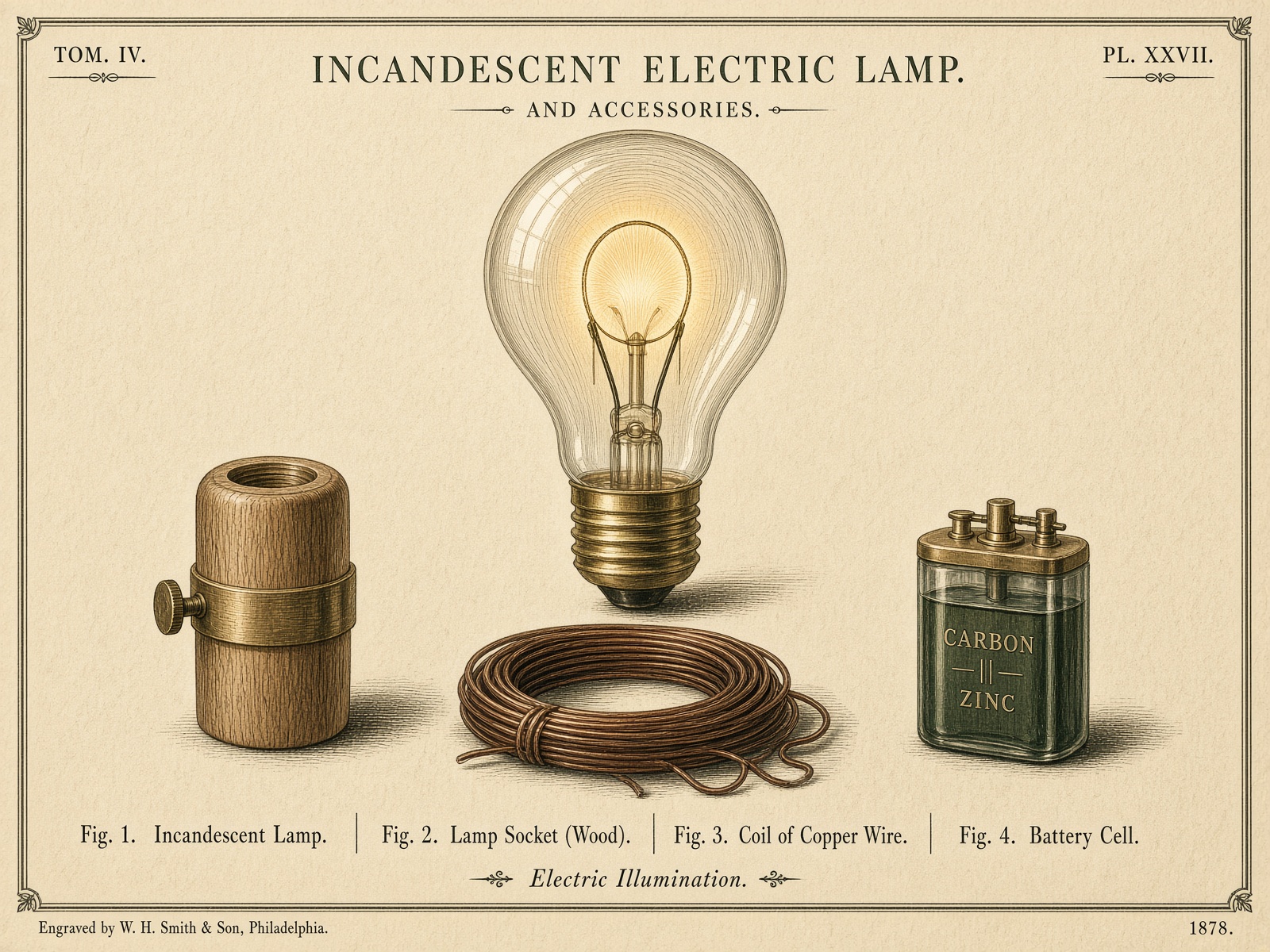
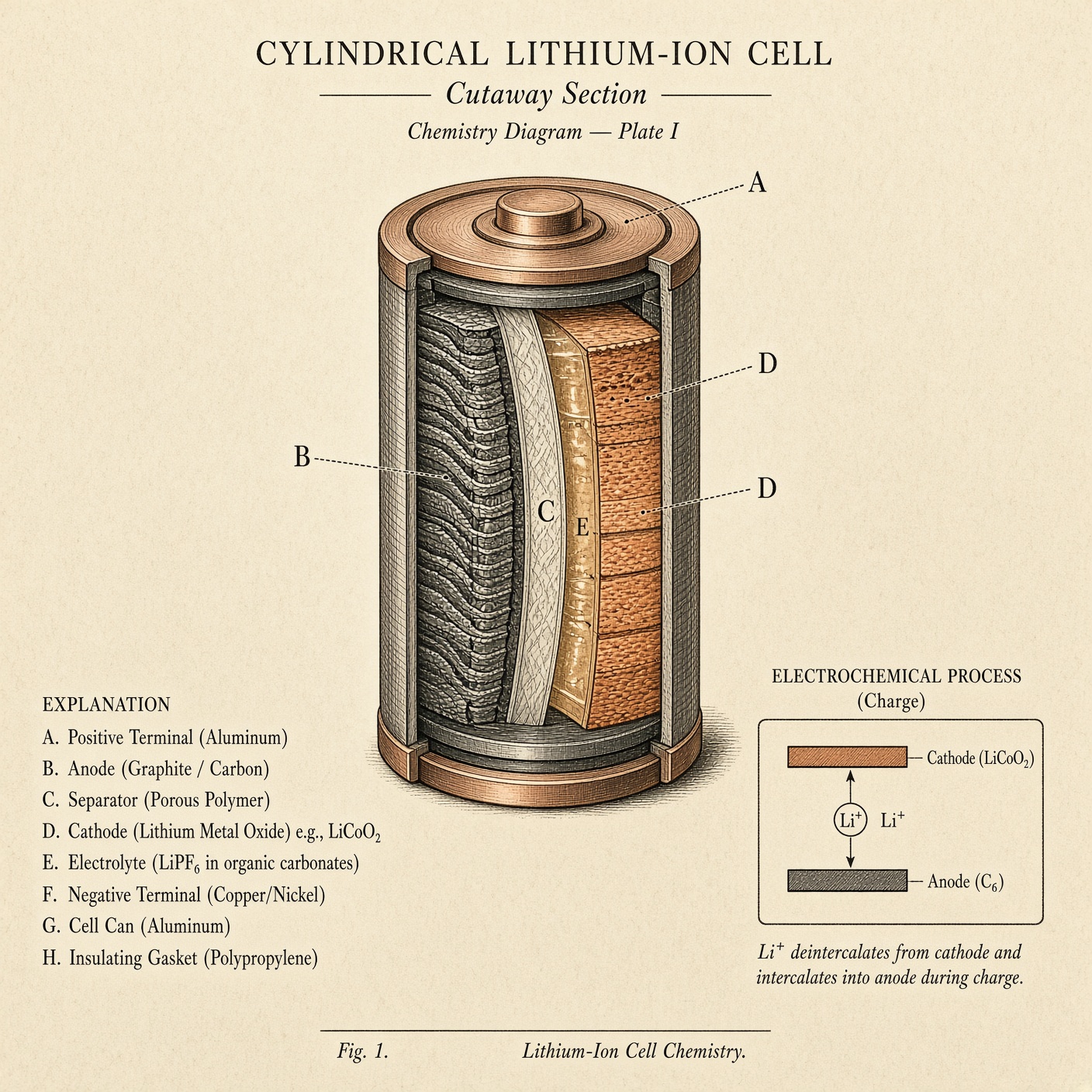
Volta stacked disks of silver and zinc, separated by cloth soaked in brine, and drew a steady current. Animal electricity, Galvani’s twitching frogs, became a pile you could build. The battery is a chemical reactor that pushes charge through a wire. Every later lamp, telegraph, and phone call is a conversation with that stack.
Alessandro Volta · Italy
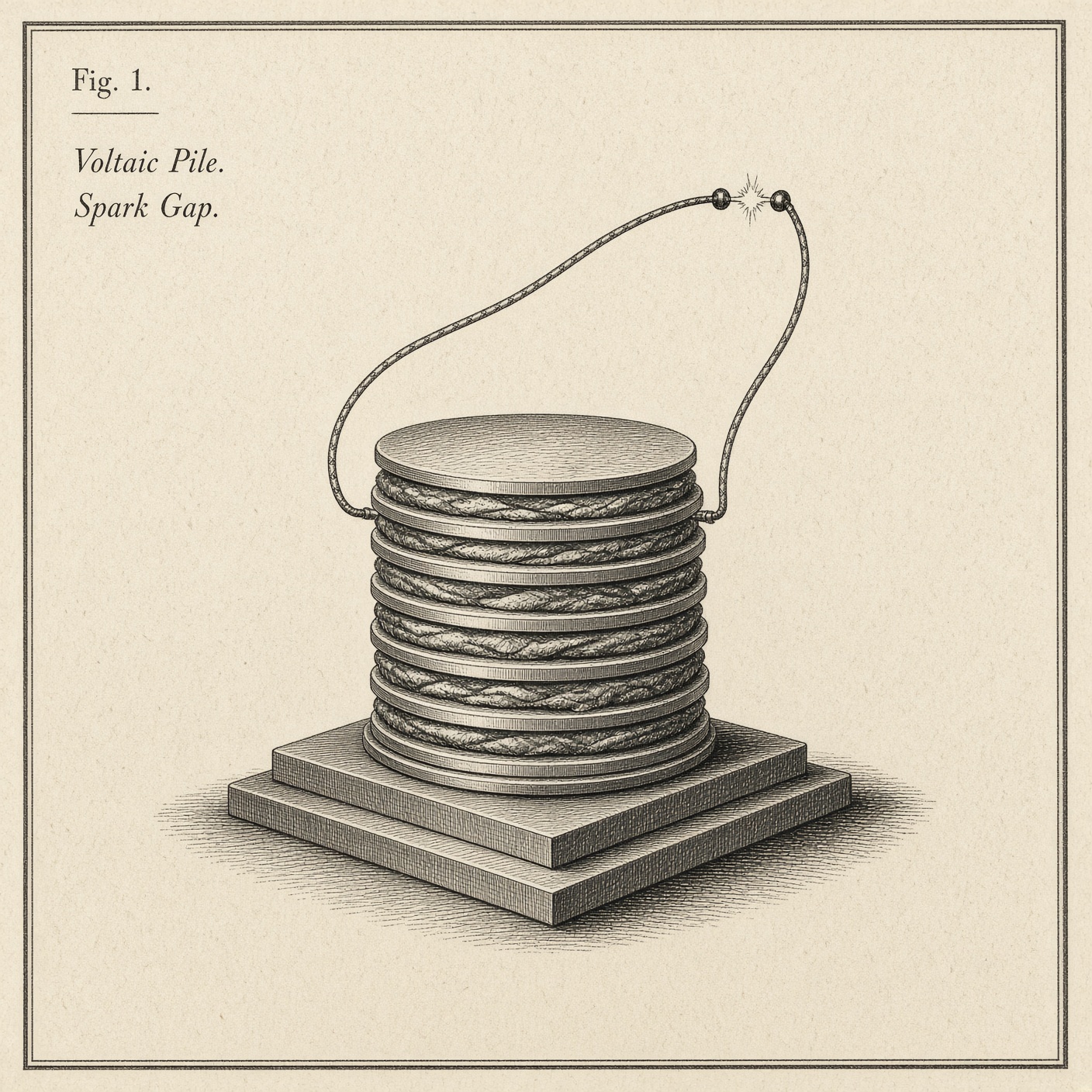
How the mechanism is arranged
How it works
- Place two different metals in contact with an electrolyte.
- A chemical reaction at the electrodes separates charge.
- A wire between the ends lets current flow until the reagents are spent.
Why it mattered
- Gave experimenters a continuous current, not a spark.
- Made electrolysis and the telegraph possible.
- Opened electronics as a laboratory, then as an industry.
Who turned the wheel
What it unlocked
For further study
- Volta’s 1800 letter to the Royal Society. Primary description.
- Science Museum. Early piles and cells.
Check
Why do you need two different metals, not two of the same?